


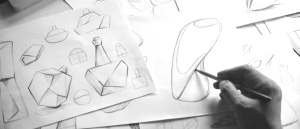

In the modern marketplace, product success depends on more than just aesthetic appeal or conceptual innovation. It requires a synchronized framework of strategic decisions—integrating market analysis, business strategy, industrial design, and manufacturing. Many development projects fail prematurely, not due to design flaws, but because of a misalignment with market realities, unclear business strategies, or an inability to translate user needs into technical specifications. Consequently, a structured, interdisciplinary approach to product development is essential. This article outlines a comprehensive path from initial market analysis to the realization of a manufacturable, market-ready product, serving as a guide for industrial designers, product managers, entrepreneurs, and business consultants alike.
Market Analysis: The Basis for Decision-Making in Product Development
Studying Market Changes and Identifying Emerging Opportunities
Understanding market dynamics and the forces driving them is fundamental to successful product development. Systematic analysis of both macro and micro-level shifts—across technology, culture, economics, politics, and consumer behavior—is essential for accurate forecasting and effective strategic planning.

1. Macro Trend Analysis
Macro trends are those changes that influence the entire market over medium to long periods of time and typically include the following:
- Technological trends (such as the Internet of Things, artificial intelligence, and new materials)
- Cultural and lifestyle trends (such as minimalism, sustainability, and responsible consumption)
- Economic trends (such as inflation, recession, changes in income levels, and consumption patterns)
- Environmental trends (such as increasing environmental regulations and growing demand for green products)
2- Analysis of target‑market–specific trends
Micro trends usually refer to faster and more specialized developments within a specific field:
- Changes in the tastes or expectations of users within a particular market
- The emergence of new categories of consumer
- Demand for specific functions or features
3- Identifying opportunities from trends
After analyzing macro and micro trends, the specific opportunities hidden within these changes should be identified. An emerging opportunity may include:
- Opportunities arising from gaps in the market that do not yet have appropriate solutions.
- Existing shortcomings in competitors’ products that create the possibility for improvement and differentiation.
- Integrating emerging trends to create innovative and future‑oriented products.
4- Creating an opportunity map
One of the advanced methods for guiding the product development path is the opportunity map. This tool helps you to:
- Conduct a precise analysis of users’ real needs and concerns beyond general market trends.
- Examine the alignment between market needs and the practical capabilities of design and production.
- Define the design direction based on data‑driven analysis and market evidence.
Competitor analysis, strengths, and existing gaps
Competitor analysis is a critical stage in product development and market entry strategy. It aims to identify competitors’ market positions, assess their core capabilities, and uncover opportunities for differentiation and innovation.

1- Identifying competitors and existing products: At this stage, the key market players offering similar or substitute products are identified, including major brands, emerging startups, and imported alternatives.
2- Analyzing competitors’ strengths: This stage involves analyzing the product attributes that attract customers to competitors, such as competitive pricing, superior quality, user‑friendly design, reliable after‑sales service, and strong brand reputation.
3- Identifying gaps and market weaknesses: The most critical part of the analysis is identifying gaps that competitors have failed to address. These may include unmet customer needs, functional limitations in existing products, or a lack of responsiveness to emerging market trends.
User Persona Development and Consumer Behavior Analysis
Developing user personas and analyzing consumer behavior are essential steps in creating successful products and shaping effective marketing strategies.
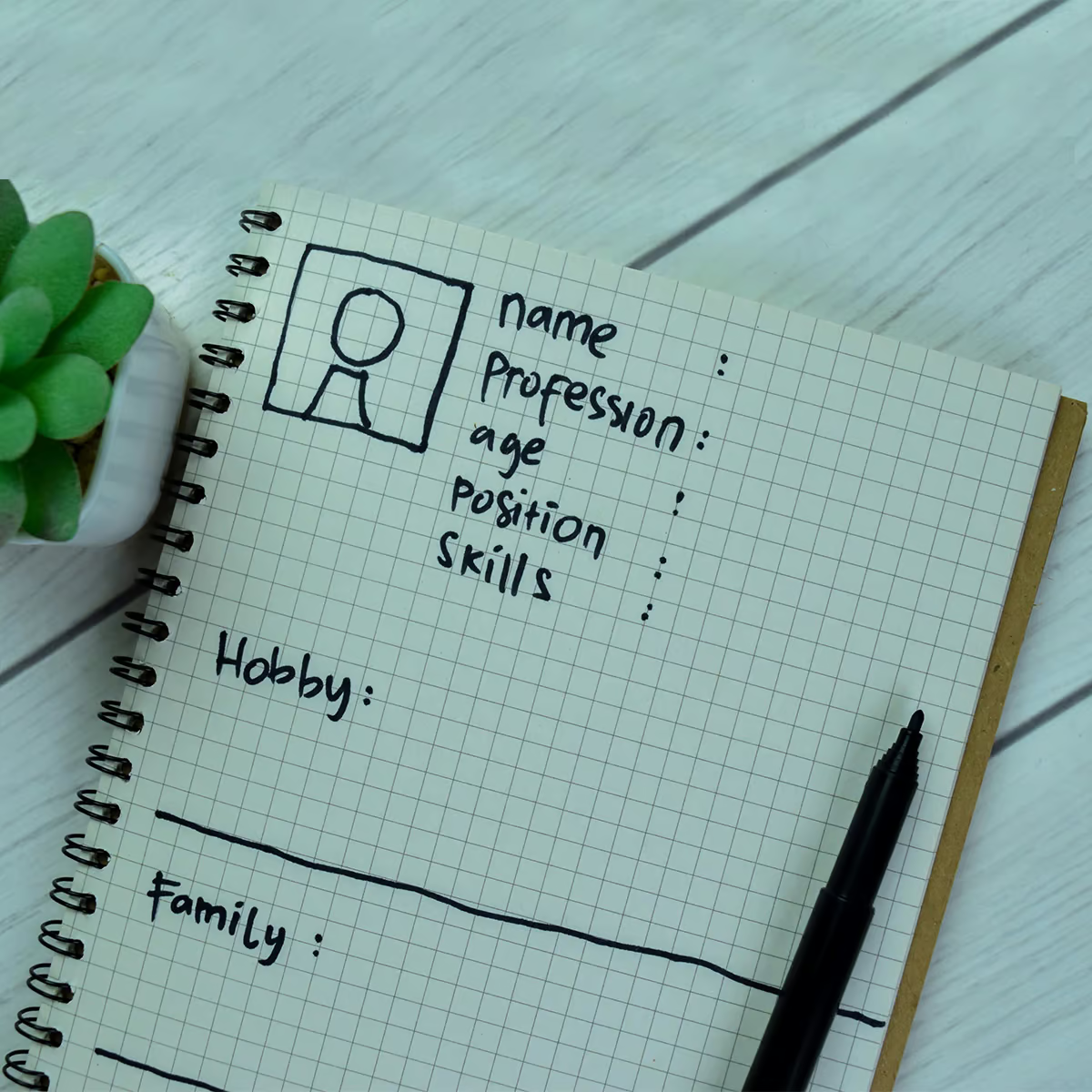
User Persona: A persona is a semi‑fictional representation of an ideal customer developed from real data and market research. It includes demographic and psychological characteristics, as well as the needs, behaviors, and preferences of target users. The purpose of creating personas is to gain a deeper understanding of customers in order to improve product development, marketing, and sales strategies.
Consumer Behavior Analysis: Consumer behavior analysis examines how and why consumers make purchasing decisions. It considers factors such as needs, preferences, cultural influences, economic conditions, and emotional drivers. Understanding these behaviors enables businesses to develop more targeted and effective marketing strategies while also uncovering customers’ underlying needs.
Steps for Creating a Persona
- Collecting real data
- Segmenting customers
- Describing needs and problems
- Defining goals and motivations
- Creating the persona profile
Benefits of Persona Design and Consumer Behavior Analysis
- Creating marketing campaigns aligned with customers’ needs and preferences
- A better understanding of customers leads to providing higher‑quality products and services.
- Delivering a positive experience helps customers remain loyal to the brand.
- Understanding customers’ specific needs helps in designing suitable products and services.
Developing Market Strategy and Market Entry Path
Determining the Brand’s Position in the Market
It is a strategic process focused on creating differentiation and establishing a distinct brand image in the minds of target customers.

- Market and Competitor Analysis: By carefully examining the target market and competitors, strengths, weaknesses, and existing gaps are identified, creating opportunities for brand differentiation.
- Identifying Target Audiences: Through a deep understanding of customers’ characteristics, needs, and behavioral patterns, brand messages and values can be aligned with their expectations.
- Defining a Unique Value Proposition: The values that distinguish the brand from competitors are clearly defined and communicated to create a competitive advantage.
- Developing a Brand Positioning Statement: A concise and clear statement is crafted to explain who the brand is for, what needs it fulfills, and how it differs from competitors.
- Implementing and Reinforcing Brand Positioning: All marketing, design, and customer service activities should align with the defined positioning and be regularly reviewed to respond to market changes.
Selecting Marketing, Distribution, and Sales Channels

- Marketing Channels: These include all tools and media used to promote the brand, communicate its benefits, and attract customers. Marketing channels can be digital (such as social media, search engines, and email marketing) or traditional (such as print advertising, television, or billboards).
- Distribution Channels: These are the channels through which a product moves from the point of production to the final customer. They can be direct (such as online sales or brand-owned stores) or indirect (distribution through intermediaries such as wholesalers and retailers).
- Sales Channels: These are the means through which marketing and distribution efforts are converted into actual transactions. Sales channels include in‑person sales, online sales, telephone sales, and other methods of direct interaction with customers.
In an integrated process, the target audience and market are first carefully analyzed through customer persona development and market trend analysis to identify consumers’ needs and behavioral patterns. Next, by evaluating the product’s characteristics—such as technical specifications, production capabilities, and operational constraints—distribution channels that align with the product’s actual capacity are identified.
At the same time, analyzing competitors’ performance and assessing the strengths and weaknesses of the channels they use helps reveal opportunities for differentiation and identify existing market gaps. Based on these insights, and through an integrated approach with ongoing coordination between sales, marketing, and distribution teams, the selected channels are organized to ensure that brand messages reach target customers in a consistent and effective manner.
Finally, through periodic monitoring and evaluation of channel performance using key indicators, the market entry strategy can be continuously refined to ensure the best possible alignment between the product’s capabilities and market needs.
Business Model, Economic Analysis, and Product Development
A revenue model is a framework that explains how a business generates income by delivering products or services to customers.
- Subscription Model: Earning recurring revenue (monthly or annually) from customers.
- Transaction-Based Model: Generating income from each sale or completed transaction.
- Advertising Model: Earning revenue by displaying advertisements on digital platforms or other media.
- Affiliate Model: Generating income by referring customers to other products or services and receiving a commission.
Criteria for Selecting a Revenue Model
- The revenue model should align with the product’s unique features and advantages; for example, software products with continuous updates may be more suitable for a subscription model.
- Reviewing financial forecasts for each model, including estimates of the target market, potential number of customers, growth rate, and return on investment period.
- The selected model should be able to adapt to business growth and market changes. Models that allow an increase in customers without a linear increase in costs are more favorable.
- A successful revenue model should enhance the customer experience and avoid creating unnecessary barriers to customer acquisition.
- Evaluating the revenue models used by competitors and identifying innovative opportunities or unmet gaps in the market to create differentiation.
Evaluating the Sustainability of the Revenue Model
- Key Performance Indicators (KPIs): Including customer retention rate, Customer Lifetime Value (LTV), Customer Acquisition Cost (CAC), and revenue growth rate. These indicators show how effectively the model retains customers and generates sustainable revenue.
- Return on Investment (ROI): Assessing the payback period and analyzing whether the revenue generated by the model can cover operating costs and future investments.
- Market Risks: Identifying and analyzing factors such as changes in market demand, competition, economic conditions, and technological developments that may affect the sustainability of the revenue model.
- Model Flexibility: Evaluating the model’s ability to adapt to market changes and customer needs, such as adjusting pricing, offering diverse packages, or modifying service delivery methods.
- Customer Experience and Satisfaction: Reviewing feedback and customer satisfaction levels regarding the selected revenue model, which can indicate its long-term sustainability potential.
Cost Structure Analysis, Key Resources, and Profitability Structure
Cost structure refers to the analysis and classification of the expenses associated with producing, developing, distributing, and supporting a product or service. This analysis helps businesses identify which resources generate the highest costs and which activities require optimization.
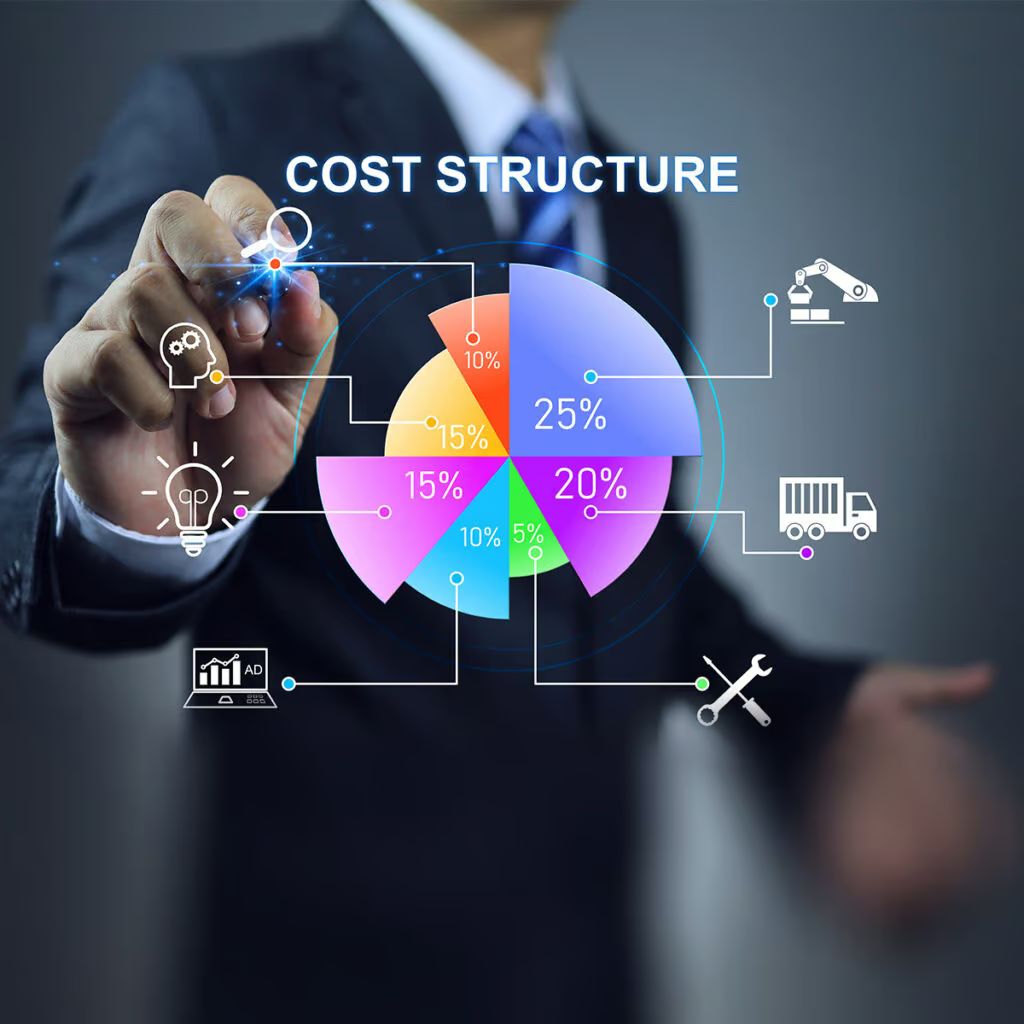
- Fixed Costs: Such as rent, employee salaries, and insurance.
- Variable Costs: Such as the cost of raw materials, packaging, and transportation.
- Economies of Scale: Cost reduction achieved through increased production volume.
- Economies of Scope: Cost savings achieved by offering multiple related products or services.
Key resources are the critical components required to create value, deliver services, or produce a product.
- Physical Resources: Equipment, infrastructure, and production facilities.
- Human Resources: Skilled personnel in design, engineering, and sales.
- Intellectual Resources: Patents, brand, and technical know-how.
- Financial Resources: Investment capital, liquidity, and financial facilities.
The profit structure examines how a business generates revenue and how that revenue is ultimately converted into net profit. This analysis helps identify which areas of the business generate the most income and which may be costly or inefficient.
- Revenue model: (such as direct sales, subscription, advertising, freemium)
- Gross and net profit margins
- Break-even point
- Analysis of sales channels and the share of each in total revenue
- Long-term profitability and the potential for revenue scalability
Defining a value proposition aligned with market needs
The value proposition lies at the core of any business model—it defines what you offer customers that makes them choose your product or service over others. However, if this value proposition is not aligned with real market needs, even the best design or technology cannot guarantee success. Therefore, ensuring alignment between the value proposition and market needs is a crucial step in developing a successful product.
Idea Validation: From Assumptions to Market Reality
Definition of MVP (Minimum Viable Product)
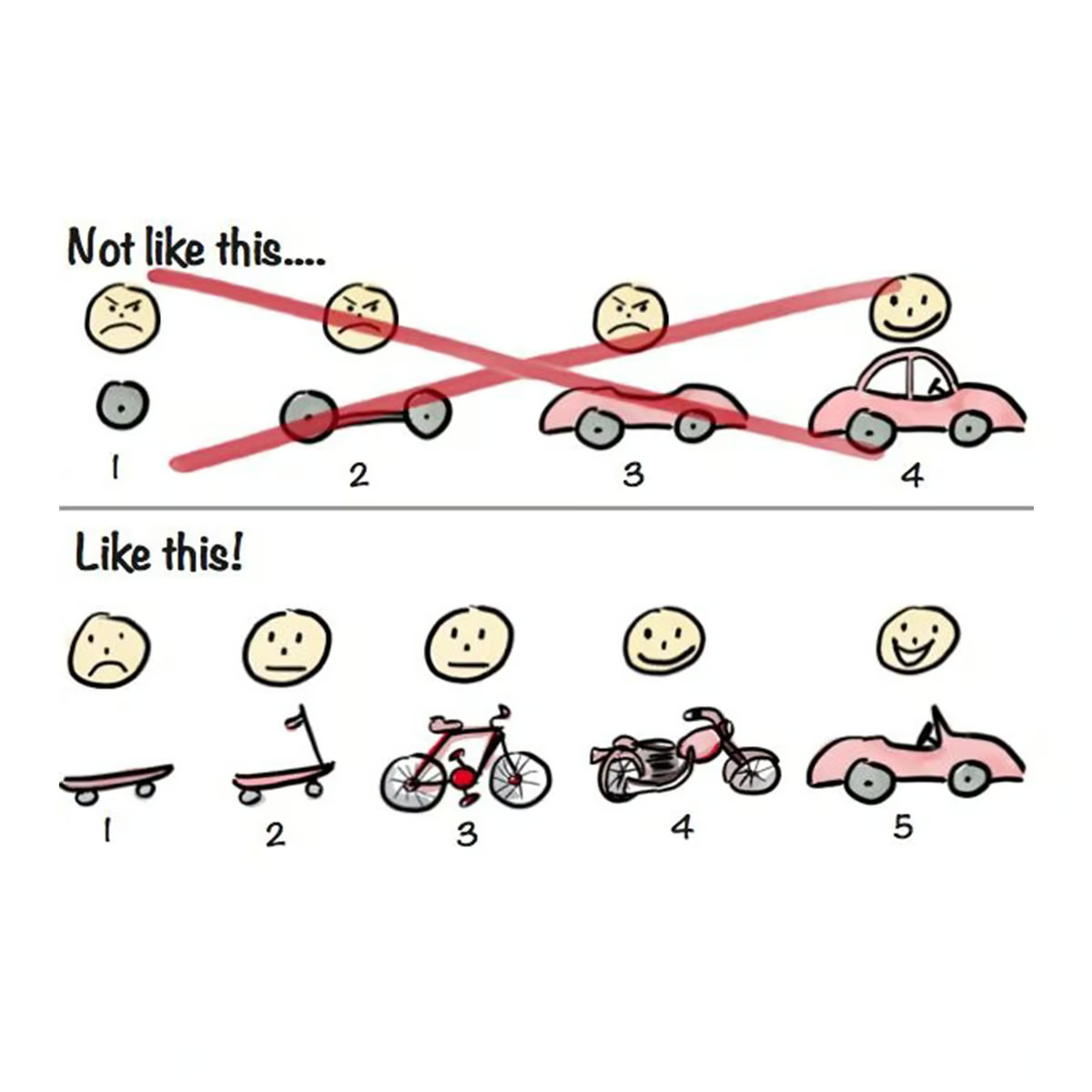
An MVP (Minimum Viable Product) is a simplified version of a product that includes only its core and essential features, allowing it to be tested quickly and cost‑effectively in the market or with target users. The purpose of an MVP is to gather real user feedback before making a full investment in development.
Importance of Building an MVP
- Receiving quick and real feedback: Customers or end-users can provide opinions on whether the product meets their needs, what is missing, or what can be added.
- Optimizing design and strategy before final production: Based on the MVP results, necessary changes can be made to the design, functionality, revenue model, or even market positioning.
Techniques for Obtaining Real Feedback from Users and Stakeholders
One of the most critical stages in developing any product or service is gathering direct, real feedback from end users and stakeholders. This feedback enables you to refine the product based on actual market needs and expectations rather than assumptions or predictions, ultimately increasing the likelihood of success.

Techniques for Obtaining Real Feedback
- In-depth Interviews: One-on-one conversations with users to precisely identify needs and pain points.
- Questionnaires and Surveys: Gathering quantitative data from users using standardized questions.
- Usability Testing: Observing user interaction with the product to identify usability and user experience issues.
- Focus Groups: Discussing group opinions on product ideas or features through collective discussion.
- Product Simulations: Testing prototypes in real-world conditions to evaluate performance and applicability.
- Usage Data Analysis: Examining user behavioral data to understand usage patterns and weaknesses.
- Social Media Feedback: Monitoring comments and reactions on social platforms to gauge general user sentiment.
Decision-making for Continuation, Stoppage, or Pivoting
In the product development process, a key stage is evaluating progress and deciding whether to continue, stop, or pivot. If the data shows that the current direction is effective and well received by the market, continuing with minor optimizations is a logical step. Conversely, if feedback is negative or costs exceed potential value, stopping the project may help prevent unnecessary resource loss. In some cases, however, it may be necessary to change direction while maintaining the original goal—for example, by redefining the target market, adjusting the revenue model, or modifying key product features. Such strategic decisions play a decisive role in the ultimate success or failure of a product.
This decision is usually made by analyzing the following data:
- Customer Retention Rate
- Customer Acquisition Cost (CAC)
- Target Market Growth Rate
- User Conversion Rate
- Results of MVP or prototype tests
- Qualitative feedback from users and stakeholders
Designing the Product Development Roadmap
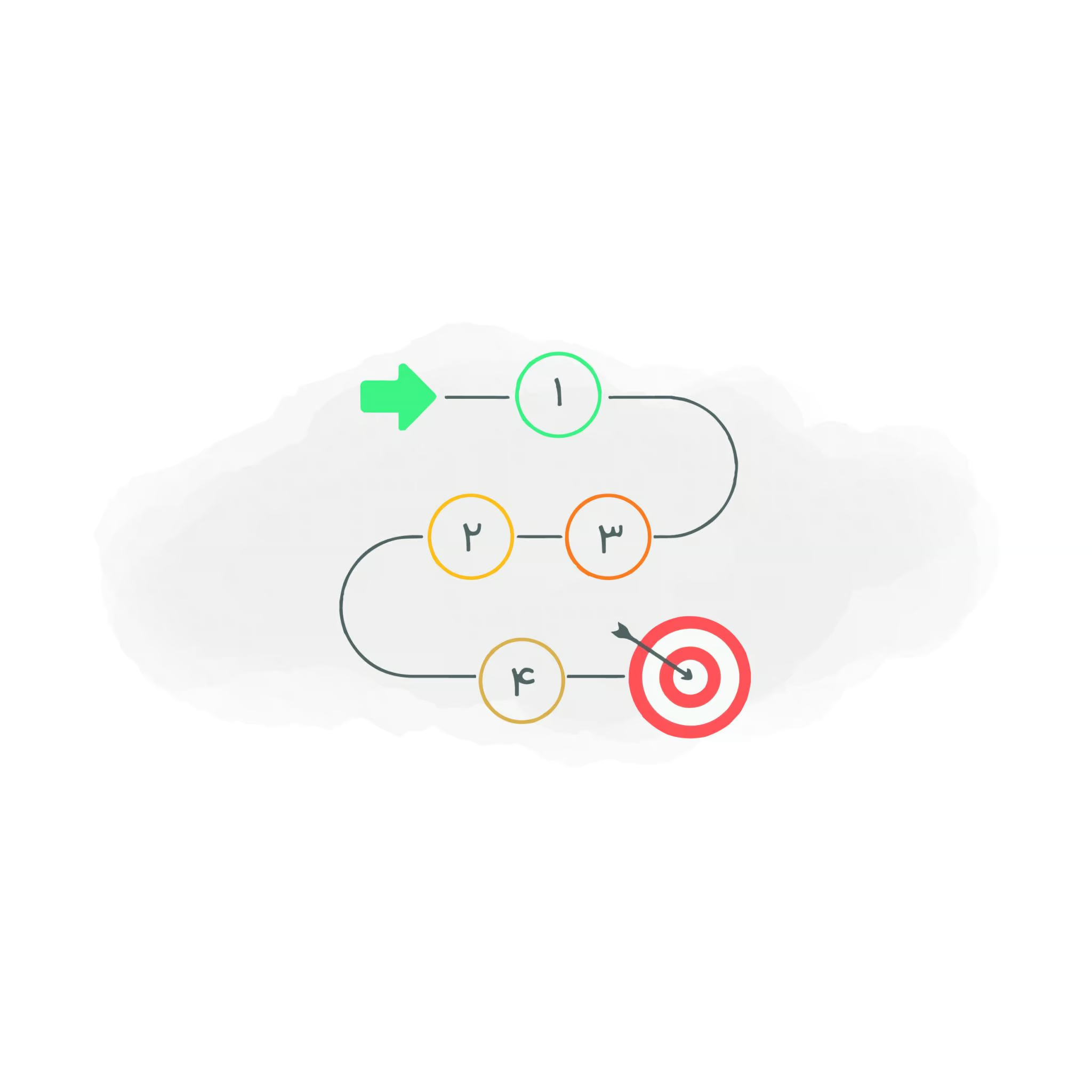
Structuring the Development Process: Discovery, Definition, Development, Evaluation
To ensure product development is purposeful, manageable, and effective, it needs to be structured and progress step-by-step. This structure is typically summarized in four main phases:
1- Discovery: In this phase, the focus is on understanding market needs, user pain points, hidden opportunities, and the competitive landscape. Teams seek to gain clear insights into the problem or need through market research, user interviews, and trend analysis. The goal of discovery is to define clearly what needs to be solved.
2- Definition: Following the discovery phase, the gathered information is synthesized to define precisely what problem will be solved, for whom, and why. During this stage, the product’s value proposition is articulated, the target market is identified, and success metrics are established. The typical output of this phase is a formal problem definition document or a design brief.
3- Development: In this step, teams begin designing the solution, starting with wireframes and prototypes and progressing toward an MVP (Minimum Viable Product). This phase includes industrial design, technical and engineering design, rapid prototyping, and initial testing. The goal is to develop a feasible solution that can be validated in the real world.
4- Evaluation: In this stage, user feedback, real‑world usage data, performance tests, and alignment with the initial objectives are collected and analyzed. The results of this analysis may lead to continuing the current direction, refining the product, or pivoting to a new approach.
Resource, Role, and Time Planning in Product Development
For the successful development of a viable product, three key elements—resources, roles, and scheduling—must be managed in a cohesive and coordinated manner. The process begins with effective resource allocation, ensuring the optimal distribution of human capital, financial budgets, technical tools, and infrastructure according to project priorities and stages. Next, clearly defined roles prevent task ambiguity and enhance team communication; each member understands their responsibilities and decision-making authority.
Finally, a well-structured yet flexible schedule—incorporating phases, deadlines, and key checkpoints—keeps the project on track while enabling timely monitoring and necessary adjustments.
The integration of these three components ensures effective execution, reduces risks, and increases productivity in the path of successful product development.
Defining Key Performance Indicators (KPIs)
Key Performance Indicators (KPIs) are measurable metrics used to evaluate the performance of a project or product during development and after launch. They serve as a compass, indicating whether the team is on track to achieve its business, design, and market objectives.
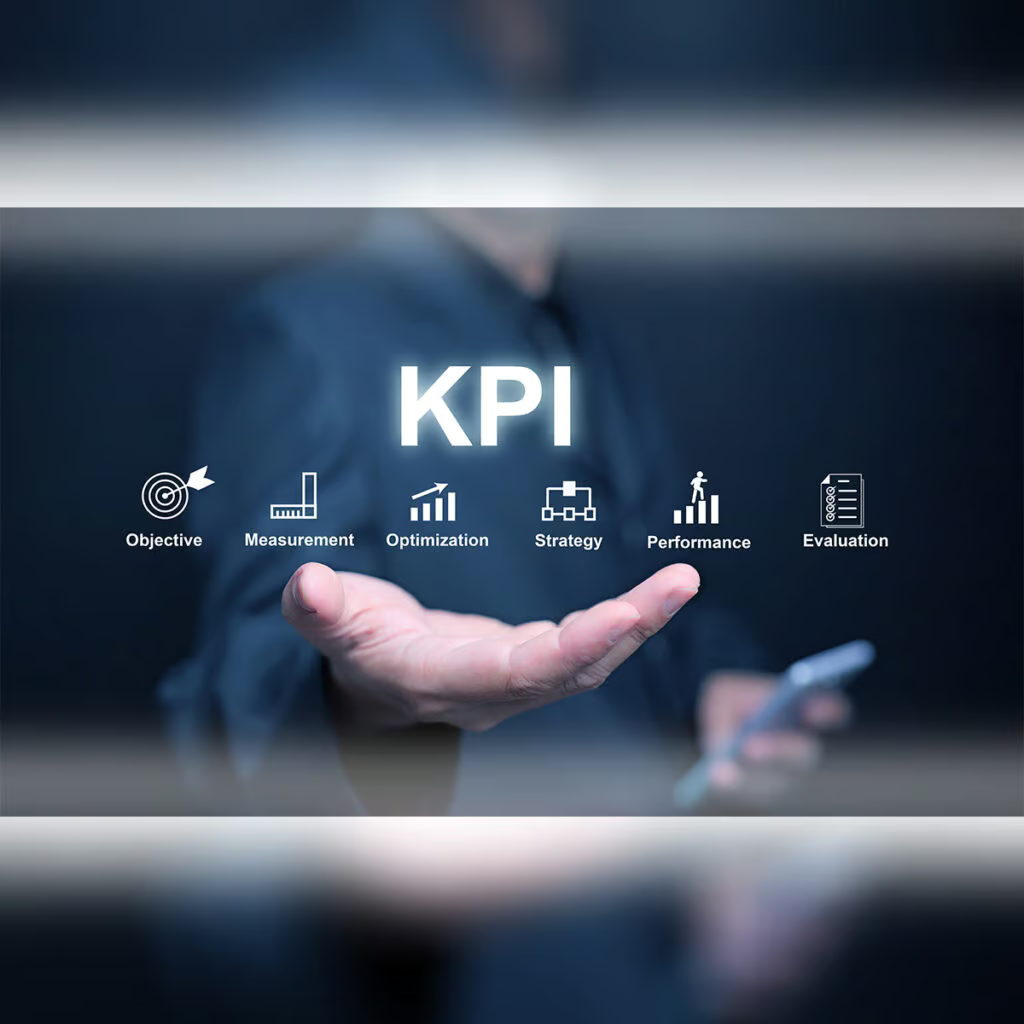
Characteristics of Effective Key Performance Indicators (KPIs)
- It must be numerical or measurable.
- It should be directly related to project or business goals.
- It must be transparent to all team members.
Product Requirements Documentation: The Basis for Design and Production
Extracting Market Needs and Translating Them into Technical and Functional Features
In the product development process, one of the most critical stages is gaining a deep understanding of market needs and translating them into actionable specifications for design and production. This process effectively acts as a bridge between the marketing department and the engineering design team.
1- Identifying Market Needs: In this stage, through market research, customer interviews, competitor analysis, user behavior studies, and sales data, the needs, desires, and expectations of end-users are extracted. These needs are typically abstract, qualitative, or functional, such as:
- Easy to carry
- Less energy consumption
- Attractive appearance
- Economical price
2- Translating Needs into Technical Requirements: Subsequently, these qualitative needs are converted into measurable technical features. In product design, this process is also referred to as “QFD” or Quality Function Deployment. For example:
- Need for easy carrying → Weight less than 5 kg
- Attractive appearance → Selection of high-quality surface materials and ergonomic design
- Less energy consumption → Use of a high-efficiency motor
- Affordable price → Optimized design with minimal components
3- Prioritizing Features: Finally, considering the constraints of resources, budget, time, and target market, the technical features are prioritized to lead to better decisions for design and development.
The Importance of Extracting Market Needs
- It prevents the development of products without a market.
- It reduces the risk of incorrect design.
- The final product will be precisely aligned with user needs.
- It provides a foundation for sustainable and successful development in a competitive market.
Defining Project Scope, Execution Requirements, and Constraints
At the outset of any product design and development project, clearly defining the project scope and execution frameworks is one of the most critical management actions. This stage establishes the foundation for effectively managing resources, time, and costs while helping prevent deviations from the intended development path.
| Section | Description |
|---|---|
| Project Scope | Defining key objectives, deliverables, main product features, and the scope of activities |
| Execution Requirements | Technical, functional, and quality specifications that the product must adhere to during design and production |
| Constraints | Financial, temporal, technical, or legal conditions and restrictions within which the project must be executed |
Precisely outlining these three sections at the project’s commencement ensures that:
- The development path is clear.
- Teams have specific objectives.
- Progress can be evaluated.
- Waste of resources and time is prevented
Creating alignment between the business, design, and engineering team
In the product development path, three main teams play a key role:
- Business Team (Marketing, Sales, Business Strategy)
- Design Team (Conceptual Design, User Experience Design, Industrial Design)
- Engineering Team (Technical Development, Prototyping, Production)
For a product to be successful, these three teams must have a shared understanding of the goals and requirements, and their activities must proceed in an integrated manner. If there is a lack of alignment between these teams, it may result in:
- An appealing design is created that is technically impossible to produce.
- A product is manufactured that does not correctly address market needs.
- Significant time and cost are expended without achieving the desired outcome.
Therefore, creating alignment means:
- Sharing overarching goals and key performance indicators (KPIs).
- Defining clear communication processes, such as regular meetings.
- Translating specialized concepts between teams (e.g., market needs into design language, or design specifications into engineering language).
Industrial Design: The Bridge Between Market, Strategy, and Production
The Role of Design in Aligning Business Goals and Production Requirements
Industrial design is not just about product beautification; rather, it serves as a bridge connecting market strategies (business) with production capabilities (engineering and manufacturing). Professional design helps to:
1. Translating Business Objectives into Tangible Solutions: Business objectives—such as increasing sales, creating market differentiation, or reducing costs—must be translated into the language of product form, functionality, and user experience.
2. Understanding Production Constraints and Capabilities: Professional designers understand which materials are suitable for the production line, which manufacturing processes are most cost‑effective, and how a product’s shape and structure should align with available manufacturing technologies.
3. Balancing Market Desires and Manufacturing Capabilities: Industrial design plays a key role in finding the equilibrium point between what the market wants and what the factory can produce.
4. Reducing the Risk of Product Failure: By considering technical, market, and human factors from the very beginning of a project, design helps reduce trial and error throughout the development process.
Design for Manufacturing (DFM)
Design for Manufacturing (DFM) refers to a set of principles and techniques applied during product design to ensure that the product can be manufactured efficiently, at lower cost, and with higher quality.
Without adhering to DFM, a product might be exceptional in appearance and function, but when it comes to production:
- Its manufacturing becomes expensive.
- The assembly process becomes complex and time-consuming.
- In some cases, it may not reach the production stage.
Core Principles of DFM (Design for Manufacturability)
1. Reduce Part Count: Design the product to achieve its intended function with the minimum number of parts → Reduces cost and assembly errors.
2. Use Standard, Off-the-Shelf Parts: Instead of designing a custom screw, use standard screws available in the market → Easier availability, lower cost.
3. Simplify Assembly: Design parts for easy, quick assembly without special tools → Increases production line efficiency.
4. Compatibility with Actual Manufacturing Processes: Select materials compatible with existing manufacturing equipment (plastic injection, casting, punching) → Reduces investment costs.
5. Consider Tolerances and Manufacturing Precision: Understand the limitations of machining and forming → Avoid designs that are practically impossible or very expensive to manufacture precisely.
6. Ease of Testing and Quality Control: Design the product so that its performance and quality can be easily assessed after production.
Cross-Functional Collaboration in the Product Development Process
Cross-functional collaboration is a key principle of successful product development. In this approach, teams from multiple domains—including business strategy, research and development, industrial design, engineering, marketing, manufacturing, and even after-sales service—work simultaneously and in coordination throughout the product development process.

Objectives of this Collaboration
- Creating a comprehensive perspective on market needs, technical capabilities, and production capacity.
- Reducing errors and inconsistencies between the various stages of design and production.
- Increasing product development speed and reducing time-to-market (TTM).
- Ensuring alignment of the final product with business goals and user experience (UX).
Key Components of Cross-Functional Collaboration
- Product Management Team: Defining macro goals, market needs, and strategic vision.
- Industrial Design and UX Team: Creating user experience, aesthetics, and fit of form with function.
- Technical and Engineering Team: Assessing technical feasibility, selecting technologies, and design for manufacturing (DFM).
- Marketing Team: Determining customer-expected features and product positioning.
- Production and Operations Team: Evaluating mass production capabilities, costs, materials, and assembly.
- Sales and After-Sales Service Team: Providing feedback from the market and end-users.
Benefits of Cross-Functional Collaboration in the Product Development Process
- Preventing unmanufacturable or non-commercializable designs.
- Increasing team agility and decision-making based on real-world data.
- Aligning design goals with organizational resources and customer expectations.
- Creating a cohesive, reliable, and competitive product in the market.
Prototyping, Testing, and Iteration Before Production
Building Test Models (Prototypes) and Performance Evaluation
In the product development process, test modeling, or prototyping, is one of the critical stages before final production. This phase enables the design and development team to simulate and evaluate the product’s ideas, functions, and features under real-world conditions.
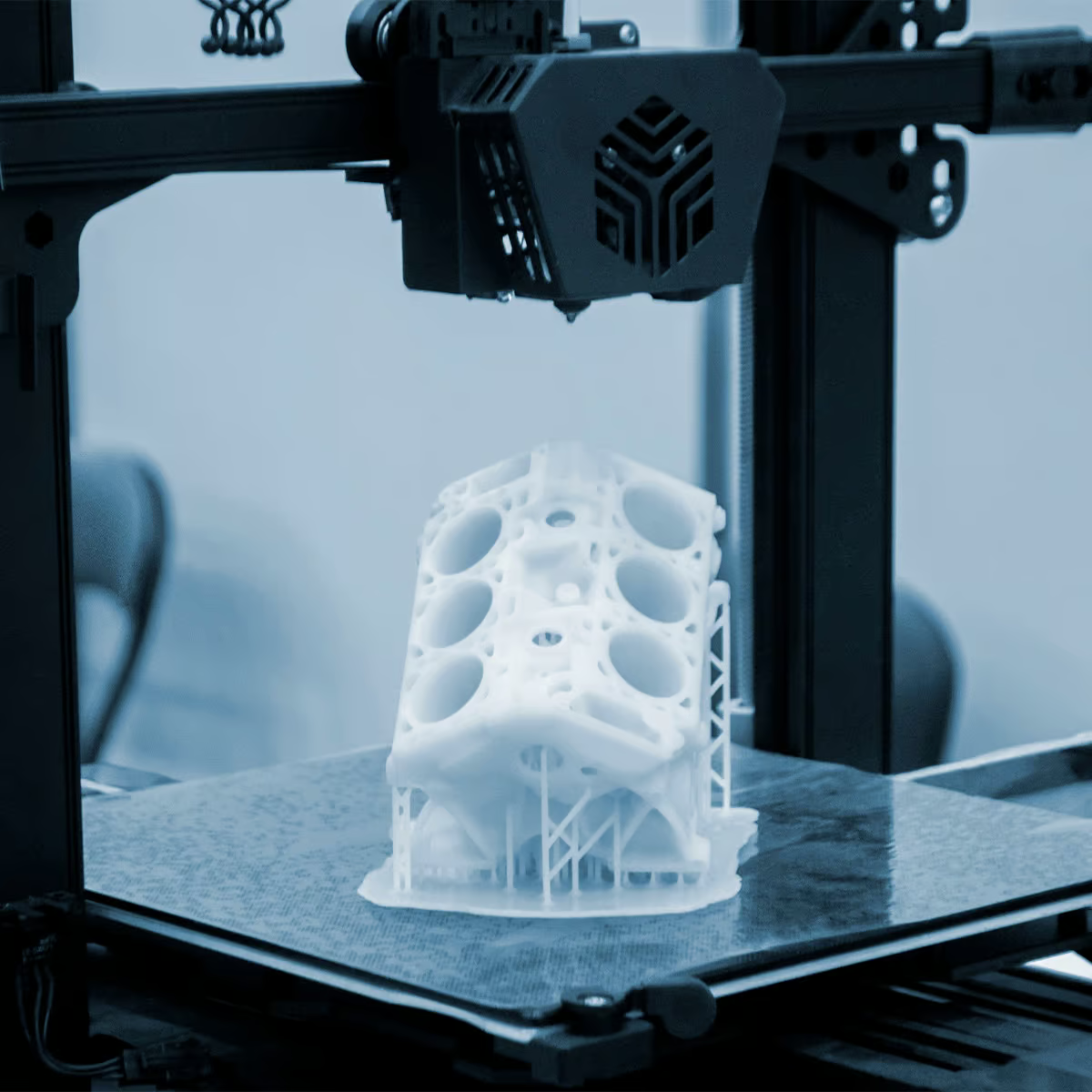
Objectives of Prototyping
- Identifying design weaknesses before mass production.
- Evaluating performance, ergonomics, and user interaction.
- Assessing raw materials, real dimensions, and technical constraints.
- Gathering real feedback from users or stakeholders before finalizing the product.
Performance Evaluation
At this stage, the developed prototypes undergo functional testing to ensure feasibility, durability, performance quality, and alignment with market needs. The evaluation may include the following:
- Mechanical or functional tests (such as strength, durability, and energy consumption)
- User testing with real users to evaluate the user experience
- Safety tests, compliance with standards, and regulatory requirements
Benefits of Prototyping
- Reducing modification costs in later stages of development or production.
- Facilitating decision-making regarding project continuation or redesign.
- Helping gain the trust of investors and stakeholders by presenting tangible evidence of the product’s performance.
Analysis of technical, usability, and market test results
After completing the product testing stages, analyzing the data obtained from various tests becomes a critical step in making strategic decisions throughout the product development process. This analysis helps teams identify weaknesses, uncover opportunities, and determine areas for improvement, ultimately preparing the product for market readiness.
1- Technical Test Analysis
This stage evaluates the product’s technical performance using parameters such as strength, durability, safety, and compliance with industry standards. The results help identify structural issues, improve material selection, and optimize the design.
2- Usability Test Analysis
This analysis is based on real-world user interactions with the product, assessing criteria such as ease of use, ergonomics, intuitiveness, and overall user satisfaction. The goal is to optimize the user experience (UX) and eliminate barriers to effective product use.
3- Market Feedback Analysis
In this stage, the perceptions of customers, target markets, and stakeholders regarding the product are examined. Data collected from surveys, interviews, or pilot launches are analyzed to evaluate market acceptance, product appeal, and overall purchase intent.
Outputs of Technical, Usability, and Market Test Analysis
- Final determination of the need for product modifications or changes
- Validation of the decision to proceed to mass production
- Providing documented evidence to convince investors, management, or business partners
Implementing improvements in design, performance, and materials
After analyzing the results of technical, usability, and market tests, the development team must translate the findings into actionable steps for product enhancement. This stage involves implementing targeted, data‑driven improvements across three key areas: design, performance, and material selection.
1. Design Optimization: At this stage, the initial design is revised based on technical and usability feedback. Changes are implemented to improve the product’s aesthetics, functionality, and ergonomics. Key criteria in this optimization process include manufacturing simplicity, ease of assembly, reduced visual complexity, and closer alignment with real user needs.
The goal is to achieve a design that is not only visually appealing but also manufacturable and cost-effective.
2. Performance Optimization: This phase focuses on improving technical efficiency and ensuring stable performance under real‑world usage conditions. Enhancements may involve refining internal mechanisms, increasing accuracy or operating speed, reducing energy or resource consumption, and improving overall safety and durability.
The objective is to ensure that the final product meets functional expectations while delivering reliable, efficient, and consistent performance.
3. Material Optimization: Careful and strategic material selection plays a crucial role in final product quality. At this stage, materials are evaluated or substituted based on criteria such as weight, mechanical strength, recyclability, environmental compatibility, and production cost.
The goal is to increase durability, reduce manufacturing costs, improve thermal or mechanical properties, and enhance the product’s environmental sustainability.
Preparation for Industrial Production and Commercialization
Selection of Suppliers and Production Infrastructure
This stage represents one of the most critical phases in the product development lifecycle leading up to mass production. Decisions regarding manufacturing partners and resource allocation at this point directly impact quality, cost, lead times, and the overall stability of the supply chain.
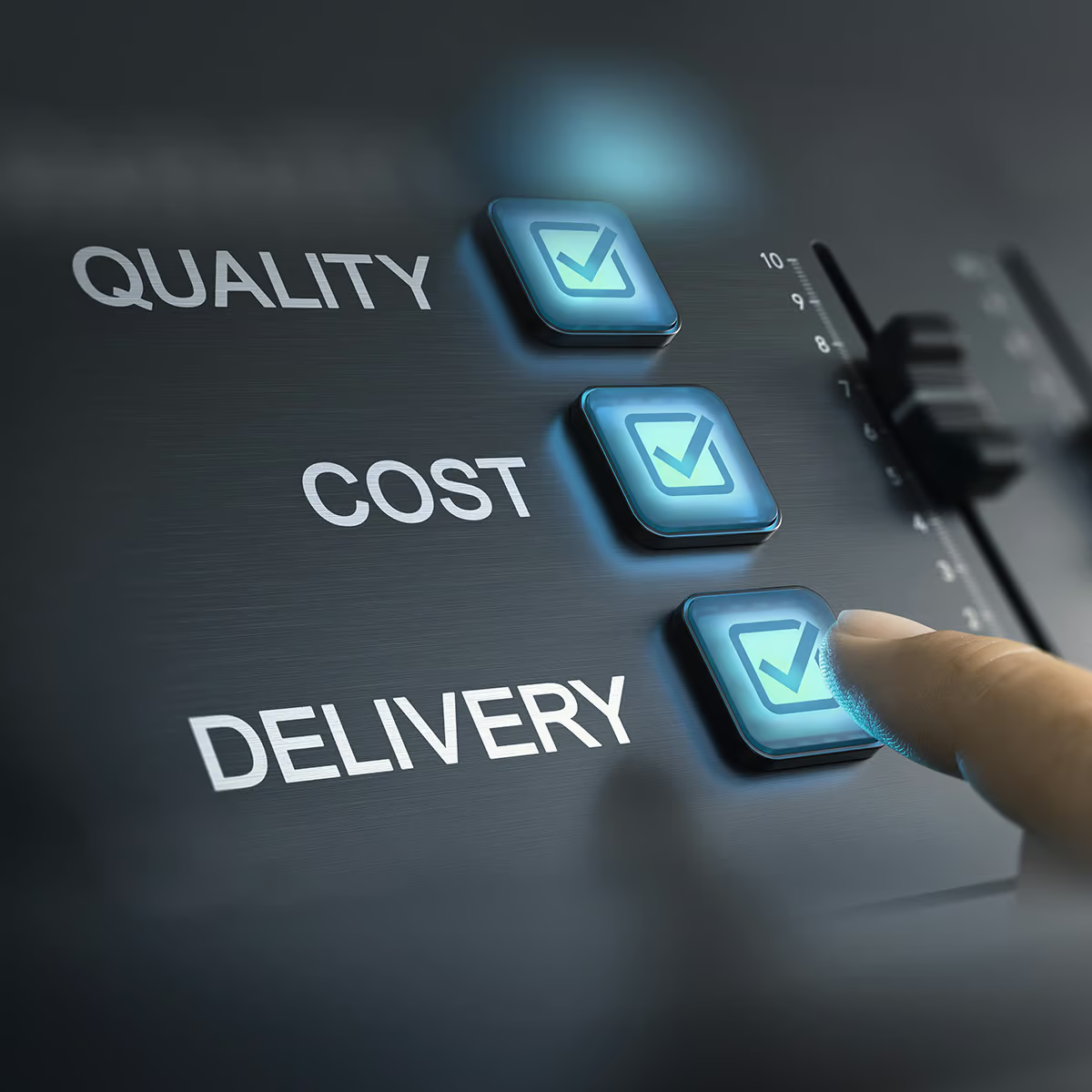
Supplier selection includes:
- Capability Assessment: Evaluating expertise, production capacity, quality standards, and the supplier’s track record.
- Stability and Flexibility: Determining if the supplier can maintain cooperation during crises (such as material shortages or economic instability).
- Cost and Cost-Effectiveness: Analyzing pricing in relation to quality and after-sales service.
- Geographic Proximity: Preferring suppliers closer to the production site or target market to reduce transportation costs and lead times.
- Contractual and Legal Relations: Establishing transparent contracts to guarantee quality, delivery timelines, and information confidentiality.
Preparing Production Infrastructure includes:
- Production Site Selection: The factory or production workshop must be suitable in terms of space, access to workforce, logistical facilities, and required permits.
- Equipment and Machinery: Assessing which machines and technologies are required for product manufacturing and whether they are available or need to be sourced.
- Production Capacity Planning: Defining the initial production volume, scalability of production lines, and the ability to respond to market demand.
- Quality and Standards: The production infrastructure must be capable of meeting relevant product quality and safety standards.
- Digital Infrastructure: Including production management systems, quality control systems, order tracking, and real-time reporting.
Evaluating Mass Production Capability, Scalability, and Quality Control
When a product moves beyond the design stage and is ready to enter production, evaluating these three components becomes essential to ensuring its commercial success. This assessment determines whether the product can be manufactured at scale, at the appropriate cost, while maintaining consistent quality.
1. Mass Production Capability
This stage involves evaluating the feasibility of manufacturing the product in large quantities without compromising performance, quality, or causing unreasonable cost increases.
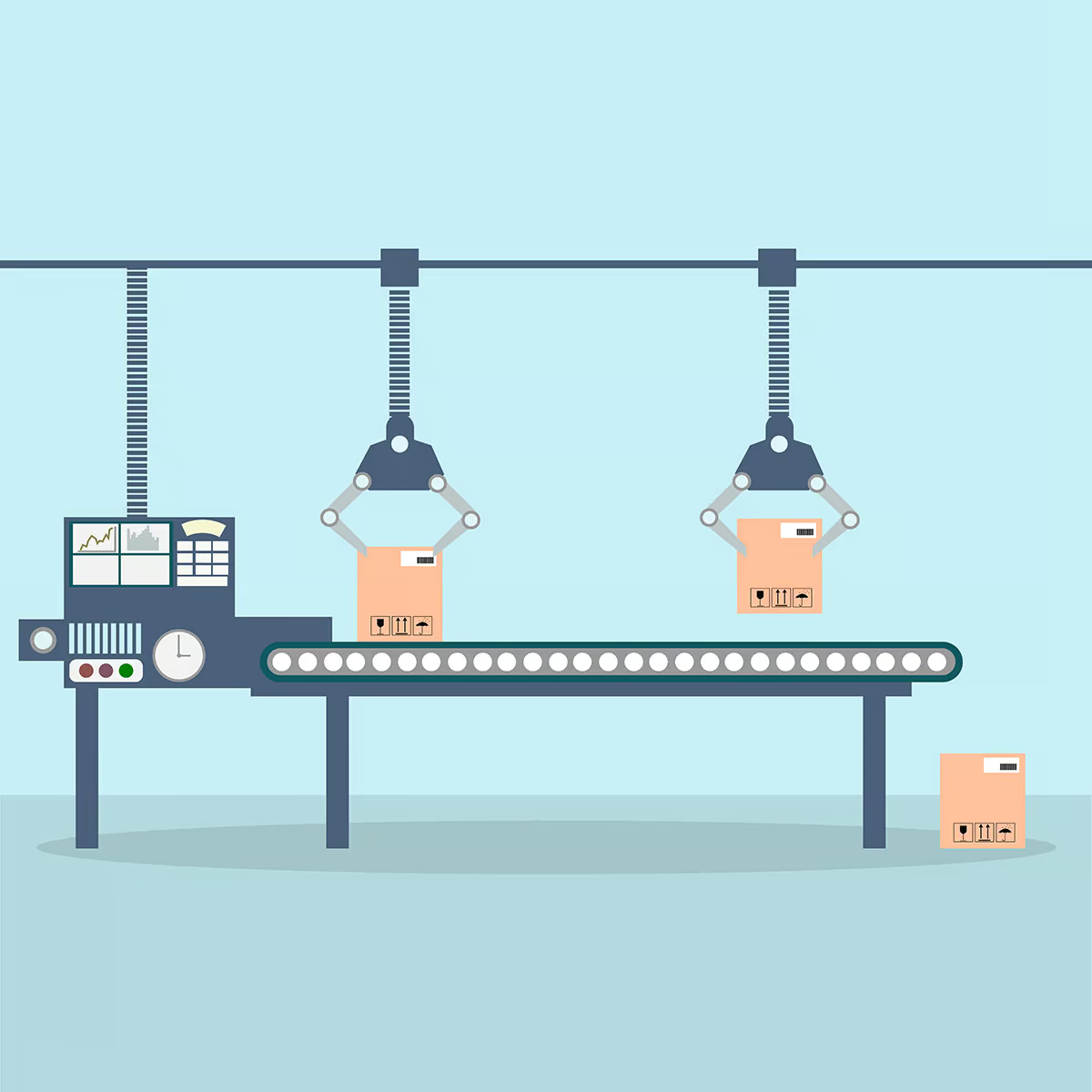
Key Points
- Design for Manufacturing (DFM): Has the product been designed in a way that allows it to be manufactured using existing industrial machinery and processes?
- Raw Materials: Can the required materials be sourced sustainably, at a reasonable cost, and in high volumes?
- Assembly and Production Stages: How complex is the production process? Is there potential for automation?
- Repeatability: Is it possible to produce consistent and precise units without the need for manual adjustments?
2- Production Scalability
Scalability refers to the ability to increase production volume in response to growing demand without compromising quality or efficiency.
Key Points
- Production Line Expansion: Are the infrastructures designed in a way that allows additional production capacity with minimal changes?
- Human Resources: Are there enough skilled personnel available to support the increase in capacity?
- Supply Chain Flexibility: Are suppliers capable of responding to larger orders?
- Process Optimization: Is there potential to utilize Lean Manufacturing, cellular manufacturing, or scalable technologies such as 3D printing or injection molding?
3- Quality Control
Quality control is essential to ensure consistency, safety, performance, and compliance with product standards at all stages of production.
Key Points
- QC/QA Systems: Implementation of international standards such as ISO 9001, TQM, or SPC for continuous quality monitoring.
- In-line Quality Control: Inspection of incoming materials, intermediate processes, and the final product.
- Functional Testing: Evaluating product samples under real or simulated conditions.
- Defect Traceability: Implementing a tracking system to identify the source of errors and prevent their recurrence.
Ensuring the final product aligns with the brand and market strategy
A critical stage in the product development process is the final evaluation to ensure the product is fully aligned with the brand identity and the strategic direction of the target market. This process extends beyond the product’s physical or functional features to include the target audience’s perceptions, experiences, and expectations of the brand.
1- Product Alignment with Brand Identity
Aligning the final product with brand identity ensures that its functional and visual characteristics remain consistent with the brand’s core values, promises, and established market image. In this process, the product must go beyond fulfilling functional needs to effectively communicate the brand message. This coherence is achieved through visual design, build quality, user experience, and strategic material selection.
For instance, a brand positioned as “innovative and forward-thinking” cannot launch a product with a traditional design that lacks creativity. Similarly, details such as sound, color, form, and user interaction must align with the brand’s language to ensure a cohesive perceptual experience for the user.
2- Alignment with Market Strategy and Product Positioning
This section focuses on the synergy between product design and the market entry strategy. Industrial design should never be executed in isolation; instead, it must be rooted in market data, target audience insights, customer segmentation, and defined competitive advantages.
A successful product results from accurately understanding the needs of the target market and translating them into tangible features, such as dimensions, price point, portability, ease of use, and packaging. If the brand positioning—whether luxury, economical, or innovative—is not effectively reflected in the design, the risk of market failure increases. Ultimately, the design must embody key marketing decisions while actively supporting the broader distribution and sales strategies.
3- Assessing Perceived Value and Product Competitiveness
Final product evaluation must be conducted through the lens of market competitiveness—specifically, the product’s positioning relative to competitors and how it is perceived by the customer. This perceived value is a function of design, performance, aesthetics, innovation, and user experience.
To succeed, the product must offer features that either generate higher satisfaction or provide a unique experience; otherwise, regardless of pricing, customers will lack a compelling reason to choose it over alternatives. At this stage, conducting a competitor analysis, defining clear product differentiators, and simultaneously balancing costs with manufacturability are essential for establishing a sustainable competitive advantage.
Conclusion: A Successful Product as the Convergence of Design, Market, and Strategy
Summary of the Key Stages of Integrated Product Development
- Market and Customer Needs Analysis: Accurately identifying needs, existing problems, and market opportunities by examining user behavior and competitors.
- Defining Product Strategy: Establishing the value proposition, target market, business model, and market entry approach.
- Translating Goals into Industrial Design: Aligning product design with business objectives and functional, aesthetic, and technical features.
- Prototype Development and Initial Testing: Building prototypes to evaluate performance, optimize the design, and gather feedback.
- Preparation for Production and Launch: Preparing technical documentation, selecting suppliers, planning production, and coordinating marketing activities.
- Market Evaluation and Continuous Improvement: Reviewing the product’s real-world performance, analyzing customer feedback, and implementing future improvements.
Practical Recommendations for Managers, Employers, and Industrial Designers
1- Managers and Business Decision-Makers
Before entering the design phase, align with the design and marketing teams so that the product’s business objectives, target market, and competitive advantage are clearly defined. From the outset, view the product development path as part of the broader business strategy, not merely as a design project.

2- Employers and Investors
Develop a deeper understanding of the role of industrial design in the product’s ultimate success. Early investment in market research, user needs analysis, and initial prototyping reduces financial risks and increases the chances of market success. In addition, selecting designers with systemic and business-oriented thinking plays a key role in this process.

3- Industrial Designers
View design as more than aesthetics and align it with market needs, production constraints, and business goals. A precise understanding of brand strategy, end-user needs, and the supply chain can turn your design into a competitive strength of the product. Active involvement in the early planning stages and continuous communication with marketing and engineering teams are essential to successful design.

The Future of Industrial Design in the Context of Business Decision-Making
In the near future, industrial design will no longer be seen as a separate stage in the product development process, but rather as a strategic and dynamic element at the core of business decision-making.
This transformation will be shaped by three key trends:
1- Convergence of Design with Market Data and Consumer Behavior Analysis
With the growth of data analytics tools, artificial intelligence, and user-centered research, business decision-making requires a deeper understanding of consumer behavior. The future of industrial design will no longer be shaped solely by artistic taste or aesthetic experience; instead, through data interpretation, market trend forecasting, and rapid prototyping tests, it will contribute to smarter business decisions.
2- Integration of Design with Business Models and Brand Strategies
In the product development journey, industrial design has evolved into a strategic function that must align with the revenue model, market positioning, and brand value proposition. In this context, industrial designers must go beyond problem-solving skills and develop systemic thinking, business analysis capabilities, and an understanding of the connection between design and product profitability.
3- The Expanding Role of Design in Creating Business Value and Market Competitiveness
In a world where product differentiation can no longer be achieved easily through technical features alone, industrial design becomes one of the most important tools for creating value, delivering superior user experiences, and building customer loyalty. Brands that embrace design as a core decision-making element respond more quickly to market changes and achieve sustainable competitive advantages.
Ready to bridge the gap from market strategy to a successful, market-ready product? Partner with Ekas Design to turn your vision into reality—[Get in touch today.]
Frequently Asked Questions (FAQ)
1- Why is alignment between market strategy and industrial design important in product development?
Because this alignment ensures that the final product succeeds not only in terms of aesthetics and usability, but also in market positioning and customer needs. Design without an understanding of the market may result in a product that lacks commercial appeal, while market strategy without effective design cannot deliver a compelling and memorable user experience. This alignment reduces investment risk, improves launch performance, and supports sustainable growth.
2- What is the difference between product ideation and industrial design?
Ideation operates at a more strategic level, focusing on defining the product’s value proposition, target audience, and how it addresses market needs. Industrial design follows this stage and focuses on shaping the product’s form, functionality, materials, ergonomics, and manufacturability. In other words, ideation sets the direction, and industrial design transforms that direction into a tangible, market-ready product.
3- How can we ensure that an idea has the potential to become a successful product?
Several steps are required: conducting in-depth market analysis, evaluating competitors’ strengths and weaknesses, developing a Minimum Viable Product (MVP) to test real user reactions, assessing technical and financial feasibility, and analyzing production and market-entry risks. Tools such as the Business Model Canvas, validation testing, and early user feedback play a crucial role in determining commercial potential.
4- What is the role of industrial design in a market entry strategy?
Industrial design is one of the most powerful tools for brand differentiation in the market. A successful design communicates brand values, enhances user interaction, reduces usability barriers, and remains aligned with production and cost constraints. It also contributes to creating a strong first impression and positive user experience, which are essential for successful pre-launch campaigns, investor attraction, and early customer loyalty.