
Product Design Services
We help companies transform ideas into manufacturable products. Our team combines industrial design, engineering, and prototyping to create products that are functional, ergonomic, and ready for production.
Ergonomics and Affordance
understanding customer behavior and needs are key elements for creating successful design solutions. Also, Considering ergonomics and standards provides a more pleasant experience for the user and determines the affordance for the purpose of the product.
Research and Design Strategy
As an experienced design team, we use a wide range of tools to create effective data that forms the basis of the design process. Also, to create a meaningful relationship between people, brands, products and their environment, we will determine an effective strategy towards the goals of your brand.
Design and Develop
Design is a creative process that provides a meaningful and presentable output of your product to the market through design expertise, methods and tools. We will be with you in the product design and development process, step by step, using our experience and knowledge in this field.
Prototyping and Production Consulting
production supervision is a part of the product design process, in which issues such as materials and production methods, design details, and the provision of manufacturing solutions are considered, which lead to more accurate implementation and higher quality of the product.
Why Ekas?
Experience
With a detailed understanding of customer needs and target market research, we clarify the design issue well for you and based on your request and our experience in conveying the brand message through the product, we present the desired design.
Process
The design process goes step by step, initially in a general way and finally with the goal of reaching the selected concept to the final design that matches the main design factors.
Creativity
Using innovation and creativity, industrial designer designs more efficient and beautiful products for a better future. Without creativity, product development has no meaning.
Design Process

1. Discover & Frame
Every project begins by immersing ourselves in the broader system before attempting to define or solve it. We engage deeply with the product context — including users, environments, technical constraints, and market dynamics — through research, benchmarking, and stakeholder dialogue. As information is gathered, we continuously interpret and organize findings to uncover patterns, tensions, and underlying needs. This iterative sensemaking process allows us to move fluidly from raw observations to structured insights, gradually shaping the true problem space. Rather than treating research and definition as separate steps, we integrate them into a single, continuous phase that transforms complexity into clarity and establishes a focused opportunity space and the critical design criteria that guide all subsequent decisions.
2. Explore & Ideate
With a clear direction in place, we expand the solution space.
We generate multiple design directions through sketching, form exploration, and rapid conceptual modeling. Ideas are developed in parallel rather than sequentially to encourage diversity and avoid premature convergence.
Concepts are evaluated not only on aesthetics, but on ergonomics, usability, technical feasibility, and production logic.


3. Development & Detail Design
Strong concepts are translated into fully defined, manufacturable solutions through an iterative process of development and refinement. In this phase, we evolve selected ideas into precise 3D models, engineering structures, and material strategies, ensuring that form, function, and production logic are fully integrated. Detailed design decisions — including geometry, materials, assembly principles, and manufacturing constraints — are continuously evaluated and validated through internal reviews, prototyping, and functional testing. This stage is not only about detailing the design, but about systematically reducing uncertainty, improving clarity, and optimizing the product for real-world use, performance, and scalable production.
4. Prototyping
Presenting and perceiving 3d visualization of products is one of the most important parts of design processes. Making models and prototypes of products provides the possibility of real and detail surveying of factors such as mechanism, form, ergonomic parameters and so on. Prototyping helps decrease cost, time and eliminate defects of design processes in every step to reach the final product.


5. Deliver & Support
Design is only complete when it successfully transitions into production and performs in the real world.
We prepare comprehensive technical documentation, production-ready files, and detailed specification packages to ensure full alignment between design intent and manufacturing requirements. This includes 3D models, drawings, material definitions, color and finish specifications, and assembly guidelines.
We closely collaborate with manufacturers throughout tooling, fabrication, and assembly processes to ensure the integrity of the design is preserved at every stage of production. Our role extends beyond handover, providing continuous production support, problem-solving, and design refinement when needed.Through active involvement in pilot production and scaling phases, we help ensure consistency, quality control, and execution accuracy — so the final product matches both the intended experience and industrial requirements.
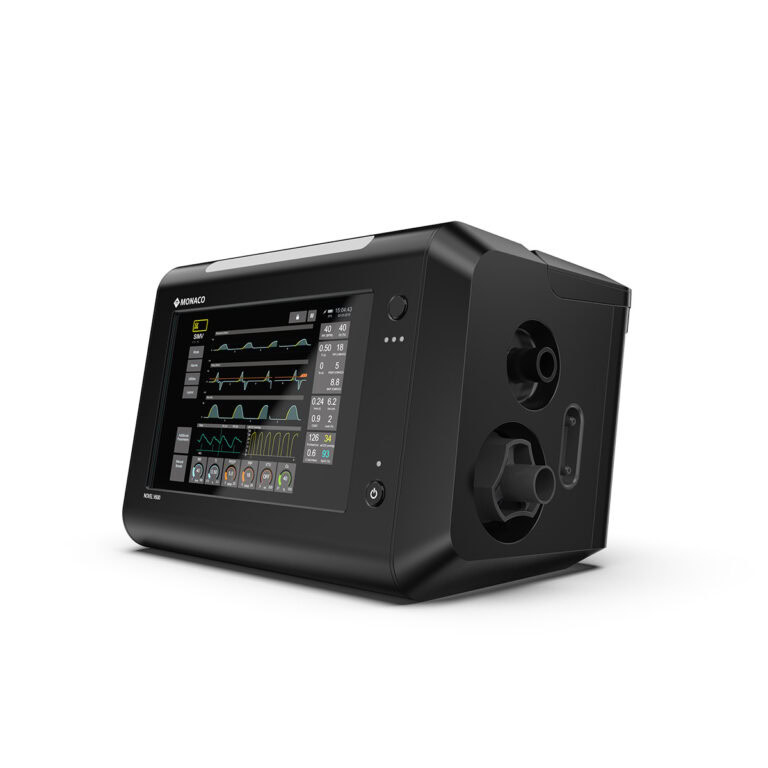
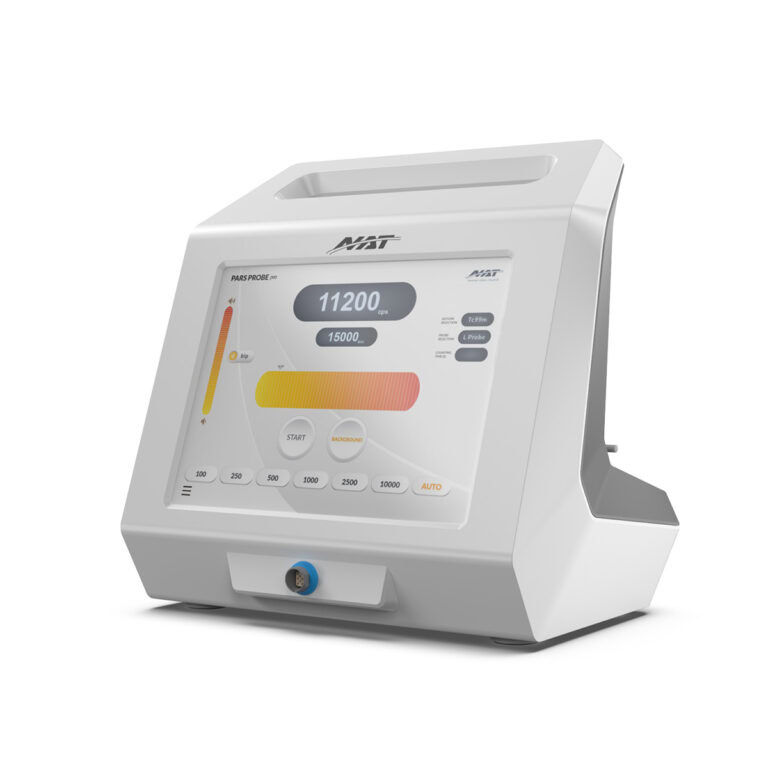
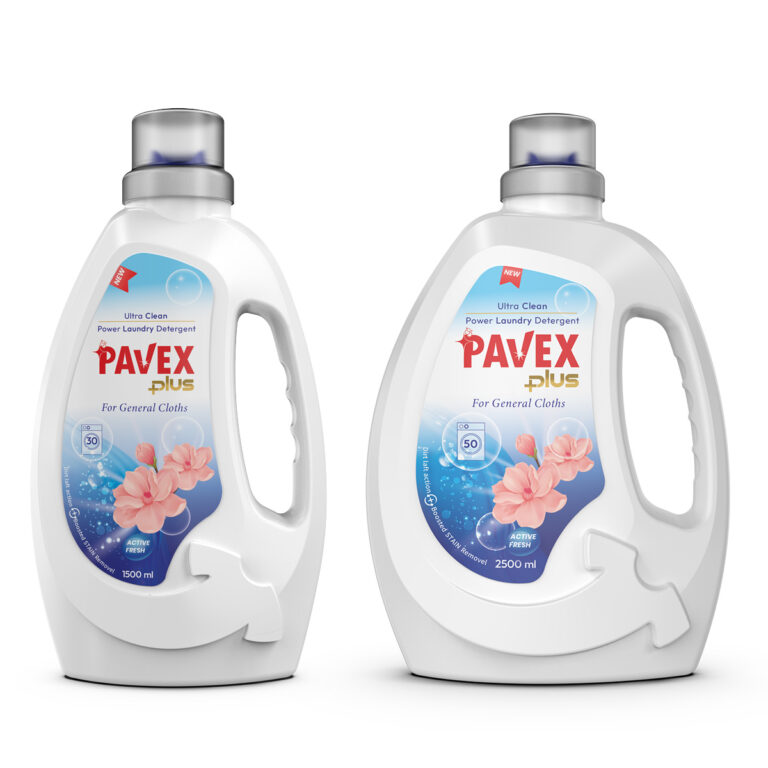
Product Design Projects


Talk to us
For more information about our services at Ekas Design Studio you can contact us