Medical Ventilator Design

employer:

Monaco

Medical Ventilator Design by EKAS Design Studio

Medical Ventilator Design

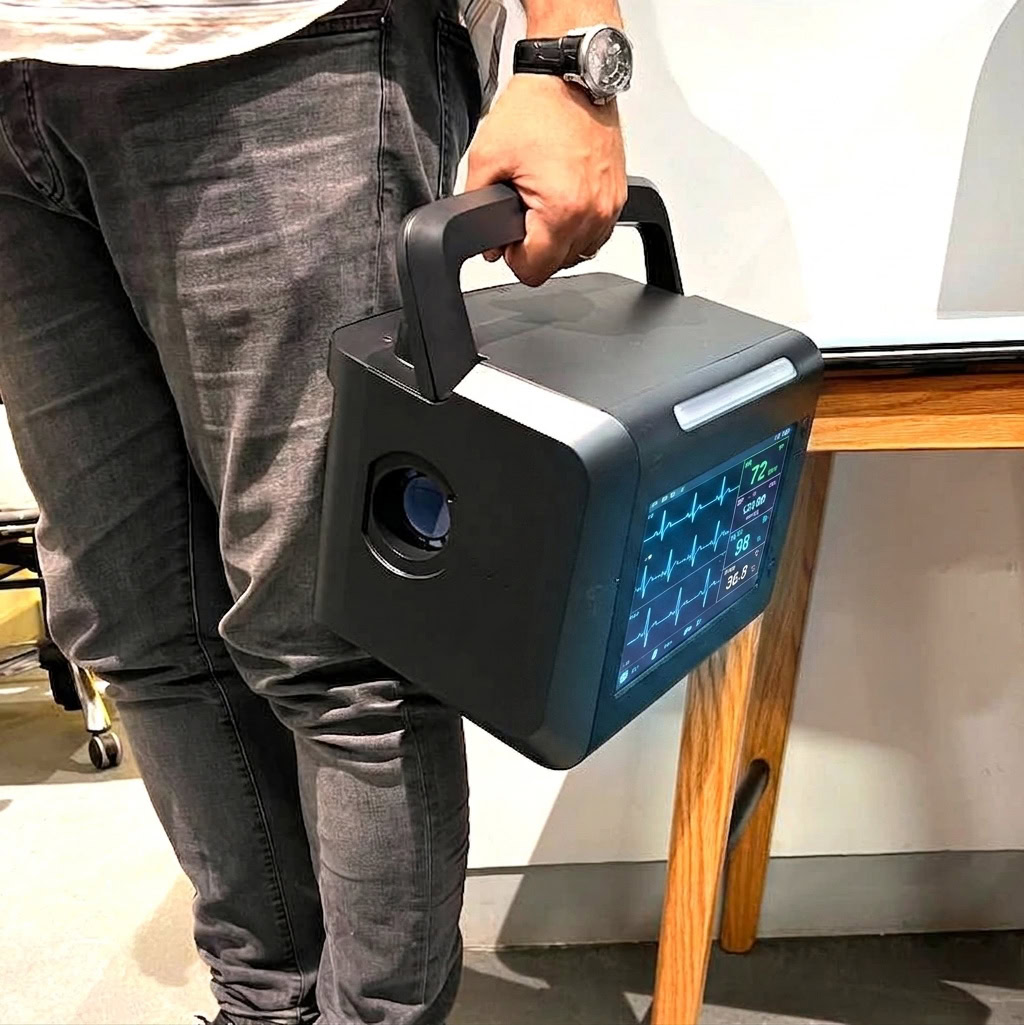
The design of the ventilator device housing began with the development of a design brief and a thorough analysis of users, usage scenarios, and functional requirements. At this stage, the main objective was to develop a comprehensive understanding of real-world clinical environments, including ICU, emergency departments, and critical care units. The needs of users such as physicians, nurses, and biomedical technicians were carefully studied to ensure that the final design could respond effectively to high-pressure conditions, time-critical operation, and the reduction of human error. In this process, existing market products were also analyzed in terms of form, housing structure, assembly and disassembly methods, usability, and user interaction in order to identify weaknesses and opportunities for improvement.

In the next phase, initial concepts and design ideas were evaluated in joint review sessions involving industrial design specialists, engineering teams, and the manufacturing company. These evaluations were based on criteria such as usability, manufacturability, structural durability, ergonomics, portability, and product visual identity. The goal was to ensure that the ventilator’s design language not only met functional requirements but also conveyed a sense of reliability, professionalism, and alignment with the nature of medical equipment.

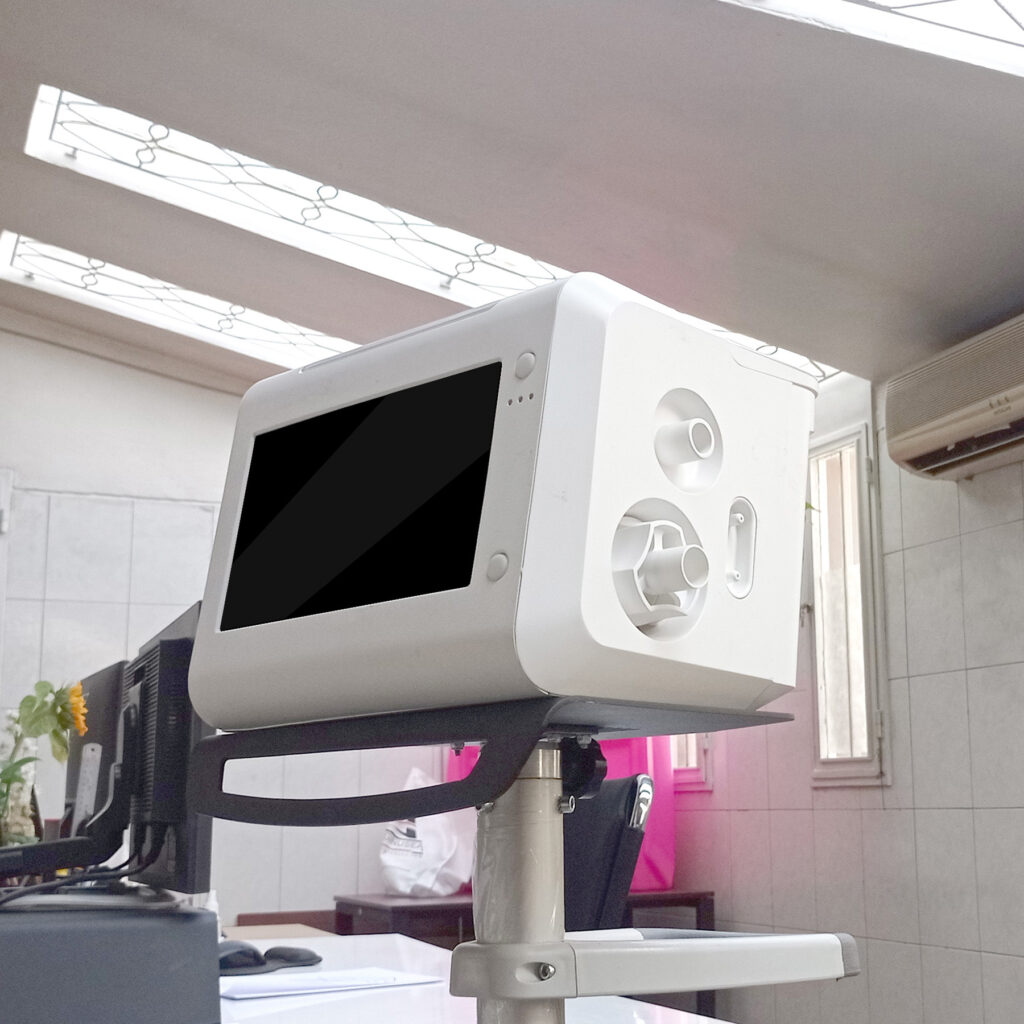
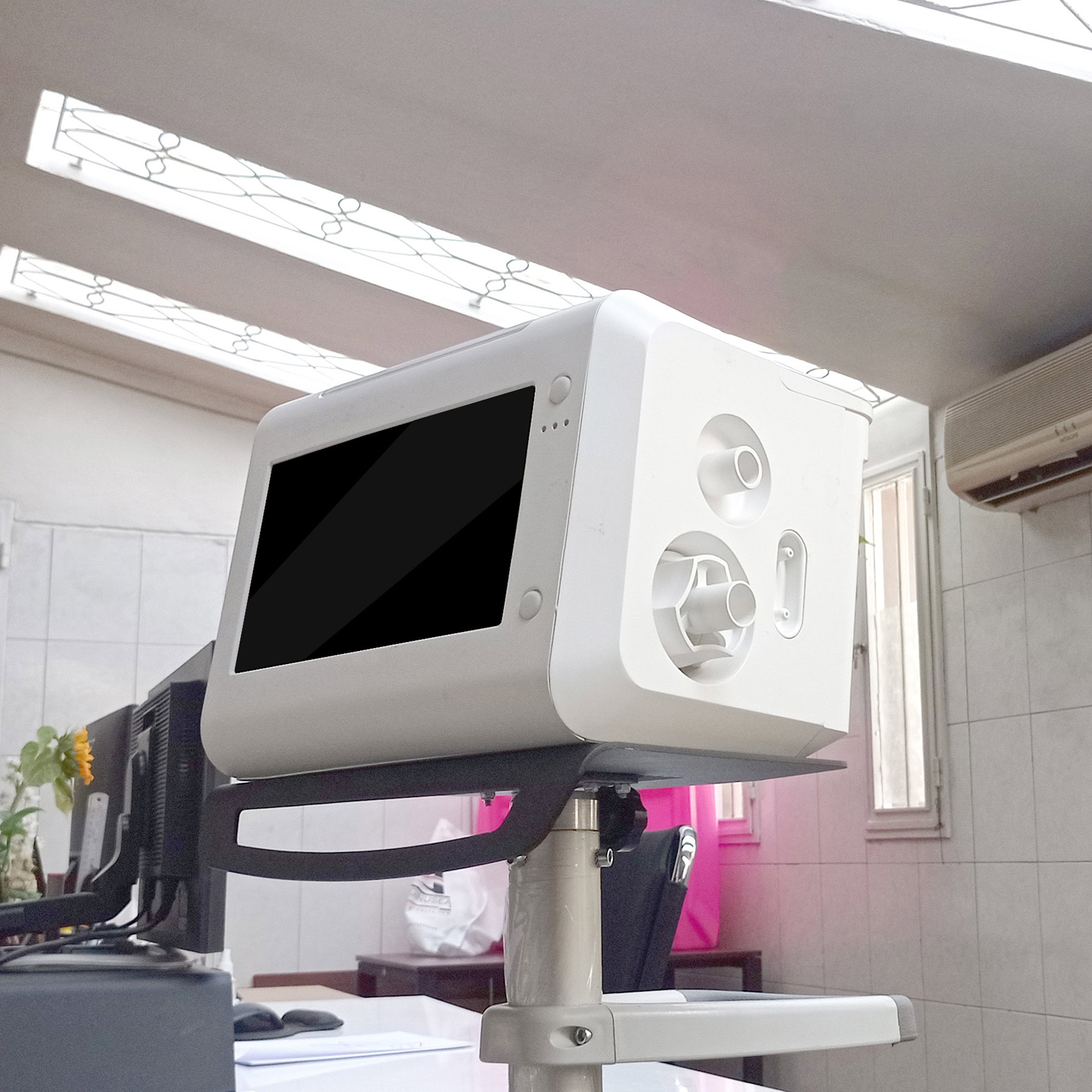
During the development stage, multiple prototypes were built and tested across several iterations. In this process, key aspects such as assembly sequence, ease of maintenance and serviceability, control and button layout, user-device interaction, and portability including mounting on a trolley were continuously refined. Each prototype iteration was improved based on feedback from users and technical teams, gradually leading to a more optimized and stable structure.

One of the main challenges of this project was the limited internal space and the high density of technical components, which required highly precise design and intelligent compacting of internal systems. This directly influenced the housing design and accessibility to internal parts, requiring carefully balanced design decisions. Additionally, ease of mobility and secure, fast installation on a medical trolley were key requirements throughout the process.

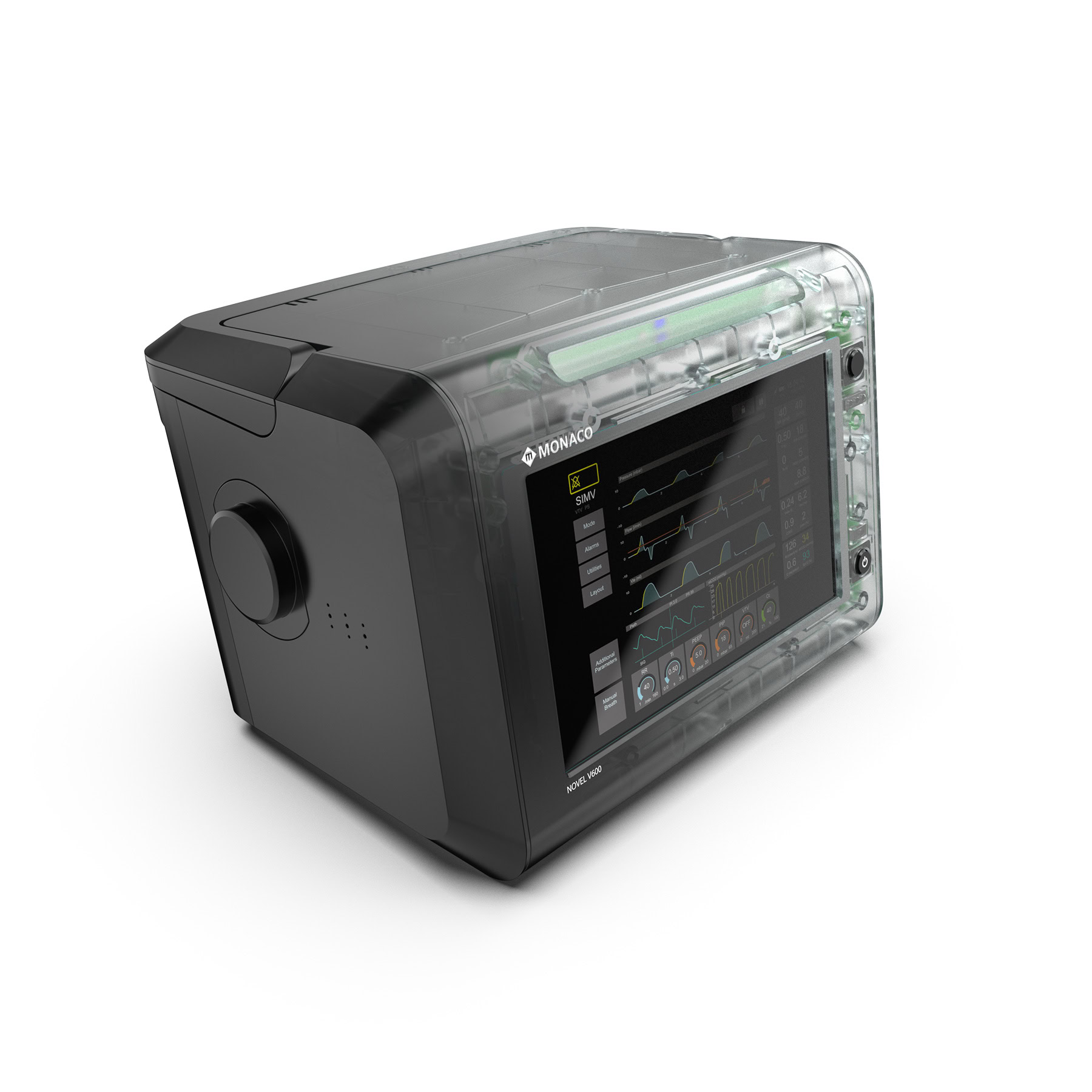
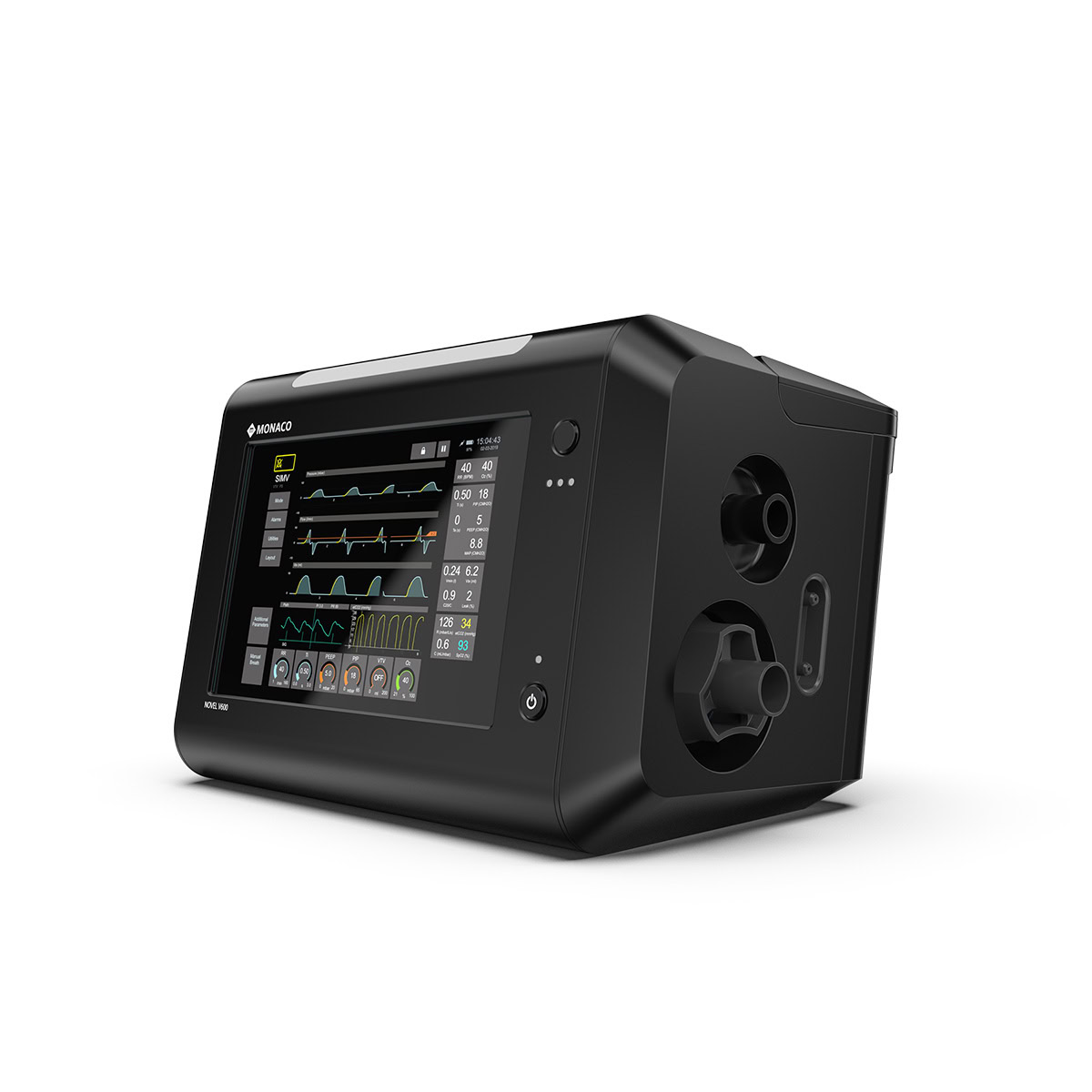
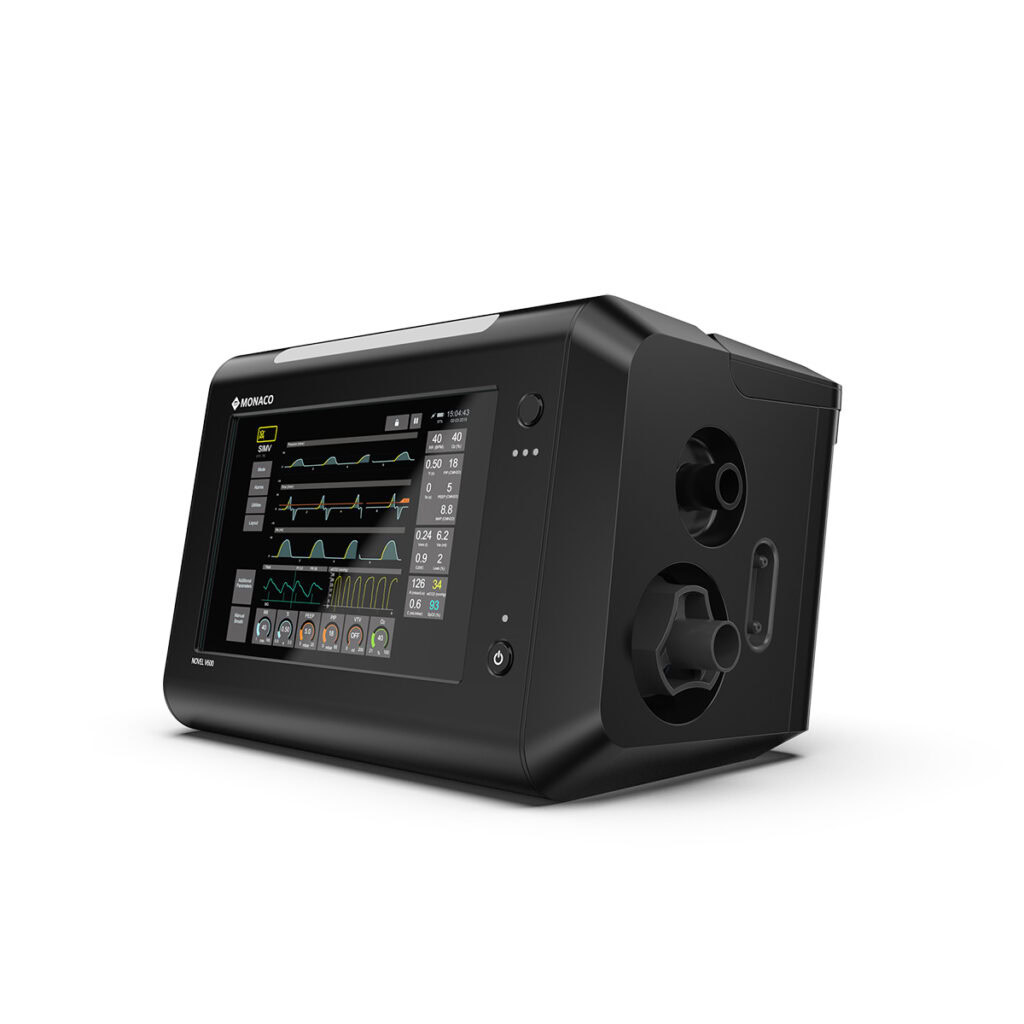
Ultimately, the ventilator housing design was developed with a focus on ease of movement, structural strength, manufacturability, a unified design language, and the creation of a distinctive identity. The result is a product that, beyond its technical performance, offers an optimized user experience, strong ergonomics, and effective interaction within clinical environments, successfully addressing the complex demands of medical settings.

Product Design Challenges

  • Limited internal space and high component density
  • Need for intelligent compacting of mechanical and electronic systems
  • Ergonomic design for emergency and critical care use
  • Optimized viewing angle for the display in different positions
  • Precise control layout to minimize user errors
  • Ease of assembly and disassembly for maintenance and service
  • Compatibility with quick and secure trolley mounting
  • Weight management and optimization of device portability
  • Structural strength combined with a compact and lightweight form
  • Creating a professional and trustworthy medical product identity
EKAS Design studio by Mohammad Sina Gavili
Ekas Design Studio workspace showing medical device design and rapid prototyping.

Key Design Specifications

  • The optimized housing design enhances ergonomic usability, providing faster and safer access to the display, control buttons, and handles. In critical environments such as ICUs and emergency departments, this contributes to reducing human error and improving decision-making speed.
  • From a structural perspective, the compact and engineered design enables efficient use of internal space and better management of component density. This improves overall reliability while also simplifying maintenance and reducing service time.
  • In terms of mobility, the well-designed handles and housing structure improve portability and quick mounting on medical trolleys, allowing seamless use across different hospital departments. This increases the device’s flexibility in clinical workflows.
  • Additionally, the unified housing design and consistent form language establish a professional and trustworthy visual identity, which, alongside technical performance, supports better acceptance by medical staff.
برای ثبت امتیاز برای این پست کلیک کنید
تعداد امتیازات: 1 - میانگین امتیاز: 5

Share with friends

Related Portfolio

Our Services

طراحی-دستگاه-حضور-غیاب-تسنیم-مشاوره-تولید-نمونه-سازی

Prototyping and Production Consulting

explore, prototype, test, refine, and deliver to bring products to life and match with specific materials and color finishing to ensure the highest quality.

طراحی-تجهیزات-پزشکی-دستگاه-فشارسنج-حکیمد

UI and UX Design

Designing and implementing the user interface according to the customer's needs and design intend to create a pleasant user experience

طراحی-دستگاه-لیزر-الکساندرایت-در-تجهیزات-پزشکی-و-زیبایی-8

Product Design and Development

understand and analyzing the product use case scenarios, design problem, innovate design solutions and validate mass production standards

طراحی-لیبل-بسته-بندی-بطری-ظرف-مایع-لباسشویی-واش-لند-08

Brand and Packaging Design

Packaging Design for foodstuffs, sanitary and healthcare products, and creating brands with meaning, simple to your core but flexible in approach.

Talk to us

For more information about our services at Ekas Design Studio you can contact us