


Many people have creative ideas, but only a few successfully turn them into products that people are willing to buy. Because ideas are often vague at first, it is important to record them early and consider how they can evolve into marketable products. Bringing an idea to market presents several challenges. Launching too early may lead to adoption difficulties, while entering too late can weaken a product’s competitive position. Therefore, identifying the right timing is crucial. Product development also involves research, prototyping, and evaluation, making collaboration and external support valuable throughout the process.
What is a product idea?
A product idea is a concept or plan for a good or service intended to solve a problem or provide convenience for consumers or companies. There are two types of products you can create:
A. Consumer products: A consumer product is a good or service intended to be sold to customers. Examples of consumer products include computer software and food products.
B. Industrial products: An industrial product is a good or service intended for companies to use in creating a product or for effective operation. Examples of industrial products include raw materials and industrial machinery.
In both types of products, the overall process of turning an idea into a product is the same; only the details differ depending on the type and characteristics of the product.
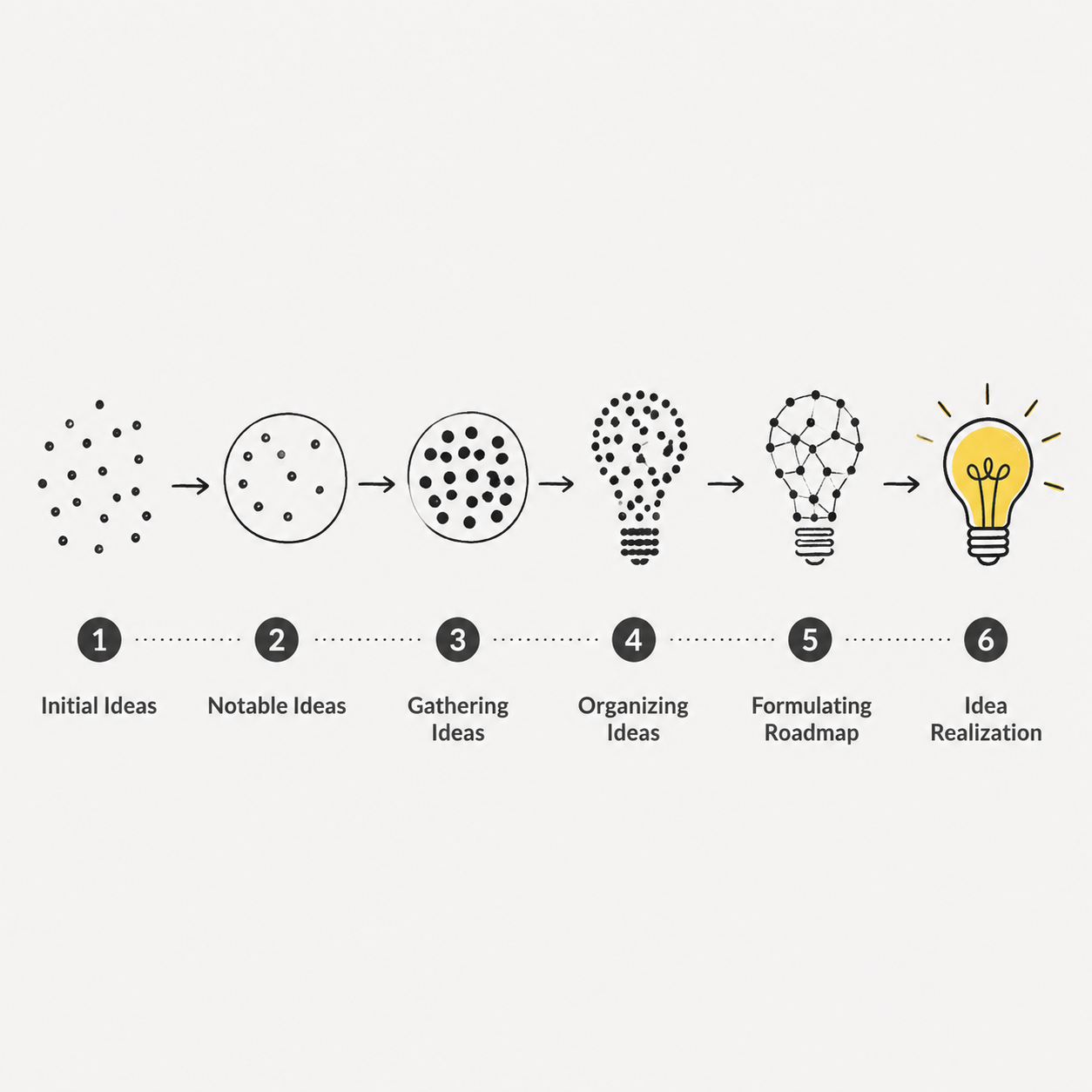
What are the elements of a good product idea?
Sometimes, it can be difficult to determine whether your idea for a new product or invention is worth pursuing. A good product idea has the following characteristics:
- Solves a problem: The most successful products provide solutions for consumers and businesses.
- The product will be easy to use: Ease of use is a key part of a successful product, because ideally buyers can use products without extensive research or technical knowledge.
- Production and distribution costs are reasonable: If your product idea is made from materials that are inexpensive to produce and transport, it is a good sign that you have a winning product idea.
- The way the product will be marketed is clear: Whether or not you have a formal marketing plan, if you can think of strategies to market the product to consumers, you likely have a strong product idea.
- Explaining how to use the product is easy: Some technical products solve problems that are difficult to explain, but if you can talk about the product’s impact on everyday consumers, it is a good sign that you have a good product idea.
- The product is scalable: Producing a good product idea is not only cost‑effective, but if the product sells well, production can easily expand to larger facilities and logistics processes.
- The product encourages long‑term use: Another feature of a valuable product is that the more consumers use it, the more value it provides. For example, a streaming service offers recommendations based on user habits, which can make it more valuable for users.
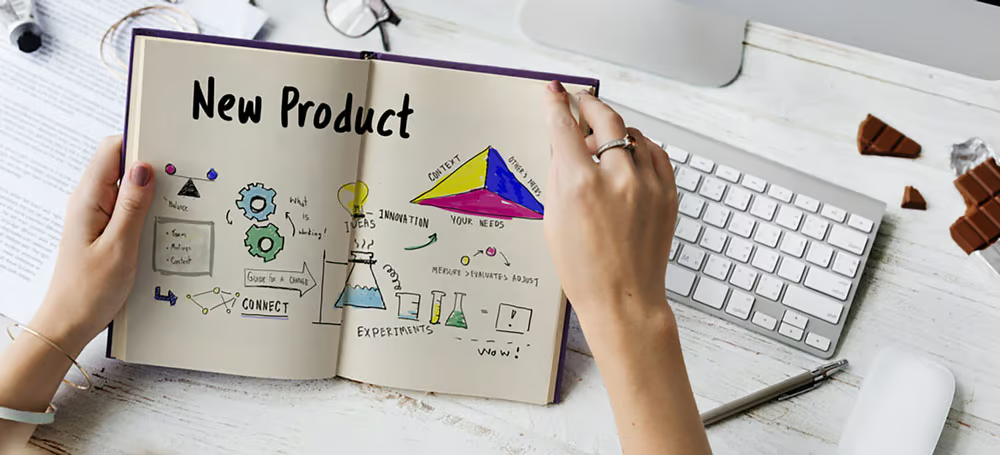
Having a good idea for a product is the first step toward becoming a leading entrepreneur in your industry. But entering the process of manufacturing and offering the product to potential customers requires a great deal of work and ingenuity. By learning more about innovation and assembly procedures, you can better determine whether creating a product is the right opportunity for you.
The process of turning an idea into a product
Innovation is not an easy process, but it can open the door to new business opportunities. The first step in transforming an idea into a product is sharing it with the world.
In the late 1800s, many scientists dismissed Thomas Edison’s work, claiming that electricity could not be harnessed on a large scale. Today, however, much of modern life depends on that very idea and Edison’s persistence. With the right mindset and a clear understanding of the invention process, ideas can evolve into real products. The following section outlines the path from idea to prototype and from prototype to a marketable product.
Select a witness1.
At the early stage of turning an idea into a product, it is advisable to have your documents signed by one or two trusted witnesses. These witnesses can confirm that you originated the idea and are its legal owner. Ideally, they should be familiar with the industry related to the invention. While one witness may be sufficient, having two provides stronger verification.
Document your idea2.
It is important to document your invention in detail, including its description, purpose, advantages, and disadvantages. Records should also include information about any prototypes, tests conducted, and their results. Each entry should be dated clearly at the top of the page.

Implement a filing system3.
You may need to maintain several types of documents for your invention, so it is best to keep each type in a separate file. Organizing documents into clearly labeled folders makes them easier to locate when needed. These files may include correspondence, purchase receipts, technical details, contracts, and other related records.
Conduct the necessary research4.
Another important step in turning an idea into a product is research. The fact that you have not seen a similar invention does not necessarily mean it does not already exist. Developing a new product requires patience, flexibility, and thorough investigation.
Before attempting to create something for the market, it is essential to devote sufficient time to researching your idea. This includes exploring existing products and ensuring that your concept does not infringe on someone else’s intellectual property.
Research intellectual property5.
Researching existing intellectual property is a crucial step in launching your project. You should determine whether a similar product has already been patented by consulting reliable databases such as WIPO, WTO, and the USPTO. If related inventions exist, evaluate their scope and identify clear points of differentiation before filing your own patent application.
Familiarize yourself with and research market terminology6.
Before investing in a patent, conduct preliminary market research to validate demand. Once confirmed, ensure the product can be manufactured and distributed at a cost that allows for a competitive retail price—a benchmark you can establish by analyzing similar products already on the market.
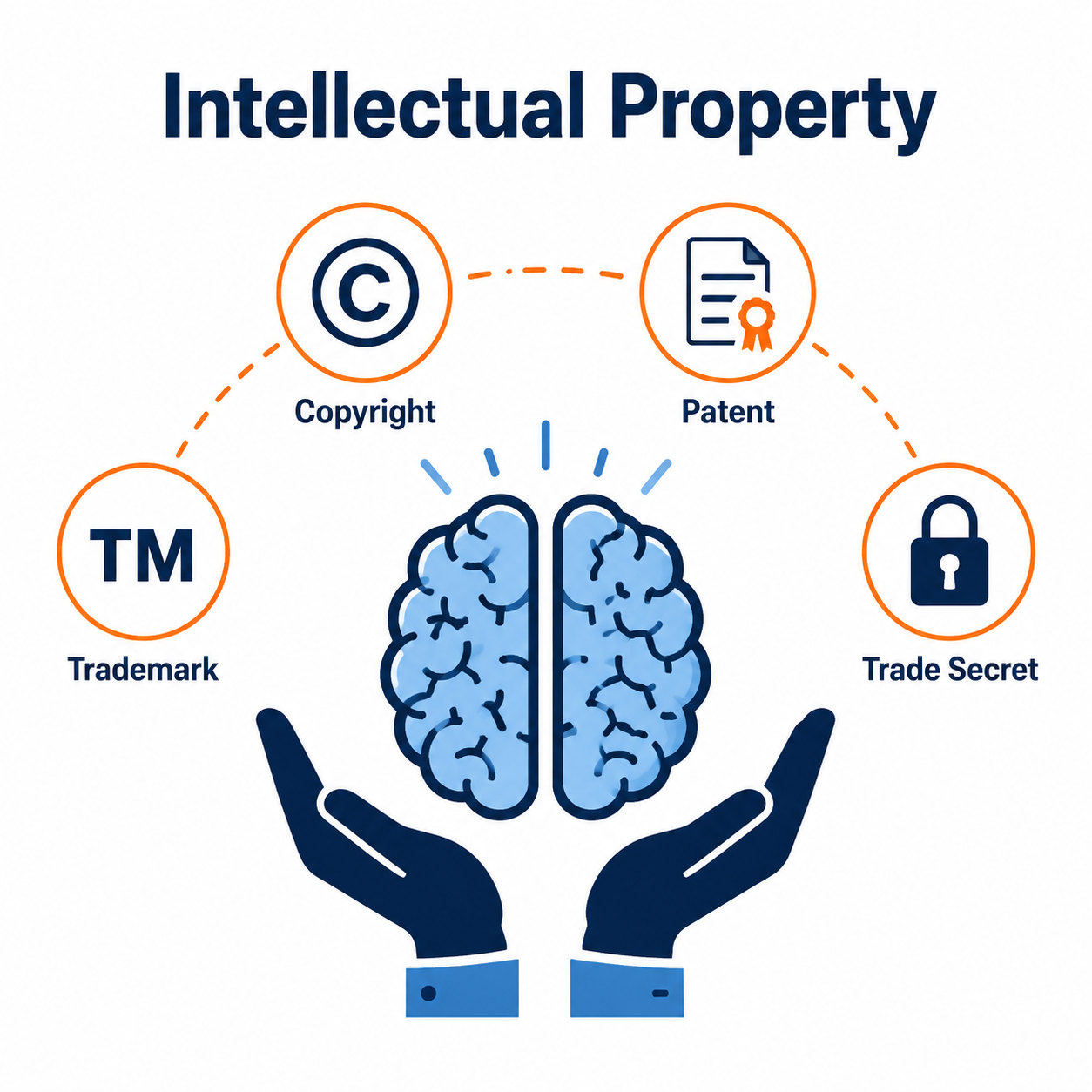
Additionally, familiarize yourself with relevant industry terminology, including trademarks, copyrights, and patents. If you intend to register your invention, consult with a reputable patent attorney. They can provide essential guidance on the legal viability of your design and your rights to bring it to market.
Research your target audience7.
A product is only viable if there is clear demand. Therefore, you must rigorously define your target audience—analyzing their demographics, preferences, and purchasing power—while simultaneously assessing the competitive landscape. Since 95% of patents fail to generate profit, success depends on offering a unique, differentiated solution that stands out in the market.
Develop a product prototype8.
A developed product stems from your research and documentation. A prototype brings your design to life, allowing you to demonstrate its functionality and benefits to potential buyers or licensors. It is advisable to file for a patent before finalizing your prototype. As development can be costly, accuracy is paramount. Below are key factors to consider during the prototyping phase.
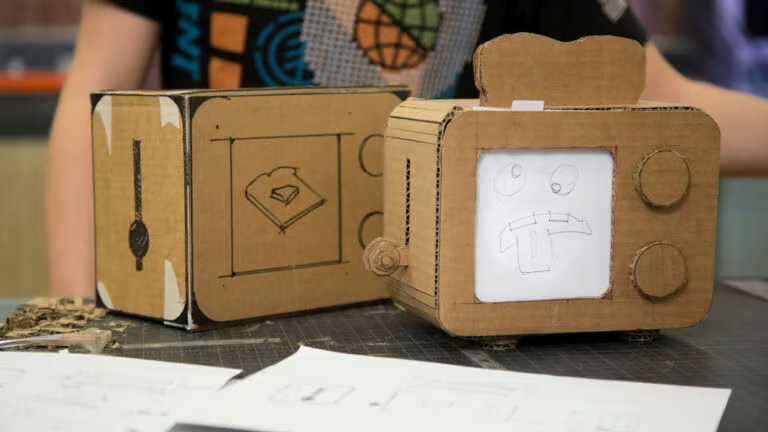
A. Manual Prototype (Handmade Prototype)
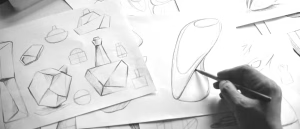
Designing or sketching a prototype is the first step toward turning your idea into a tangible reality. By sketching the details of your idea, you can fully visualize your prototype. It is even better if you can draw the design by hand. Otherwise, there are many design software programs available that you can use for this critical task.”
“Many different ideas may compete for your attention during the early stages of creating a prototype. Sketching them quickly on paper will be more efficient than wasting time creating digital designs. You can also support your patent application by using a sketchbook of your designs. This can be extremely useful whenever the ownership of your intellectual property is called into question.
B. Virtual Prototype (3D Modeling)
Creating a virtual prototype is the second step in developing an excellent, marketable product. Although you should always begin with your hand sketches, developing a digital prototype at some stage is highly valuable. In this regard, AutoCAD is one of the most popular tools used by engineers and other professionals to create virtual prototypes of their products. This software performs various functions, such as providing two‑dimensional and three‑dimensional renderings of your prototype. If you want to fully visualize every angle of your product, it is best to create a 3D design.
This allows you to imagine how your product will physically appear. If you do not have experience with rendering tools or computer‑aided designs, you can always hire professional prototype designers or graphic designers to create virtual prototypes.
C. Physical Prototype
After developing a virtual prototype, the next step is to build the first physical prototype. If you have the necessary skills and resources, you can create it yourself; otherwise, you may seek assistance from professionals such as engineers, industrial designers, or prototype specialists. Once the prototype is built, it should be tested to identify and correct potential flaws before applying for a patent. In many cases, several iterations are required to achieve a refined design.
Prototypes are typically made using less expensive materials, allowing designers to refine the product and eliminate defects without significant cost. Through repeated testing and improvements, the prototype gradually evolves into a realistic representation of the final product.
9. Test Your Product
Products are rarely perfect in the early stages of development and prototyping. As the design evolves, modifications become necessary, and the most effective way to identify these improvements is through continuous testing with real users. Honest feedback from test groups helps validate the concept and reveals areas that require refinement.
Validation and evaluation should therefore be ongoing throughout the process of transforming an idea into a product. Market feedback plays a critical role in guiding development; if the market demands something different from your original intention, the concept may need to be reconsidered. Active engagement with users, industry professionals, and market discussions is essential, as successful products cannot emerge in isolation from real-world needs and contexts.
10. Find a Manufacturer
You can also look for a potential manufacturer after creating a fully functional physical prototype. Try to negotiate the terms and conditions with the manufacturer before beginning actual production. Always conduct research, contact different manufacturers, and sign a contract with the one who can produce your product at a profitable margin. After all, there is no point in developing a product that cannot even cover your costs, let alone generate profit.
Some manufacturers can also guide you on how to reduce production costs and help you fully test your prototype. Ultimately, always request quotes and samples from multiple manufacturers, as this will allow you to identify cost‑effective methods and materials for producing your idea.
11. File for a Patent
After completing the previous stages, the next step is to apply for a patent for your product. Generally, two main types of patents can be considered. A utility patent is appropriate for a new device or process that introduces functional innovation, while a design patent protects the ornamental or formal aspects of a product’s appearance. Although the patent application process itself is relatively straightforward, it is strongly recommended to consult an experienced patent attorney when submitting a formal application to ensure proper documentation and legal protection.
12. Hire a Patent Attorney
A patent attorney will carefully review your application and identify any errors or omissions that may have been overlooked. You should remember that if your invention is truly valuable, others may attempt to infringe upon it, and this is where an attorney can assist you. An experienced attorney in the process of turning an idea into a product—especially in the patent filing process—can draft a strong patent that effectively prevents competitors from finding loopholes in your application. In fact, if you want to protect your product and avoid potential legal issues in the future, it is essential to hire a patent attorney.
13. Market Your Invention
Once an invention is patented and a functional product is ready, effective marketing becomes crucial. A clear strategy should address large‑scale manufacturing, financing, and sales in order to successfully generate revenue. Turning an idea into a market-ready product often takes years, so patience throughout the development and patenting stages is essential. When it comes to selling the product, inventors generally have two options: manufacturing and selling it themselves or licensing it to another company. In licensing agreements, inventors typically receive royalties of up to about five percent. Although this share may seem small, licensing can still be advantageous because it removes the operational costs and responsibilities of running a business.
A. Marketing Through Social Media
If you decide to sell your product yourself, several strategies can help promote it effectively. Social media is a powerful and low‑cost tool for reaching a large audience, but it is essential to focus on the platforms most used by your target market. Launching promotional campaigns and monitoring analytics—such as engagement and sharing trends—can help identify the most effective channels. Once the right platform is identified, engagement and sales can be increased through methods such as linking to product pages, email marketing, and targeted paid campaigns.
B. Traditional Marketing Tools
Despite the growing popularity of social media, you should never dismiss traditional marketing methods such as newspaper and television advertising. You can also do yourself a great favor by writing a truly compelling and persuasive press release. By publishing an early press release, you can significantly increase brand awareness and deliver a concise message to your potential buyers. A press release should answer all the questions your audience may have. It should also highlight the main features of the product and clearly present its value proposition.
C. Organizing Promotional Events
Organizing promotional and networking events can significantly increase the visibility of your invention and help position it in the market. For example, you can announce your product launch through an engaging video shared on social media and your website, or host a live session to present the key features of the product directly to potential customers. After the launch, maintain an active social media presence by sharing updates, milestones, and promotional offers. Collaborating with influencers can further expand your reach. As you learn more about your audience, continuously refine your communication and marketing message to improve engagement and effectiveness.
What is the prerequisite for creating a business plan from a product idea?
If you want to start a business to sell your new invention, the first step in this process is to prepare a business plan. Here are the components of a business plan:
- Goals: The company you establish should have a clear purpose for selling products or services.
- Objectives: Identifying the goals of your new business can help you create a plan to achieve them.
- Market: Next, you can identify your target market. The target market is the segment of consumers to whom you intend to sell your product.
- Competition: You can identify potential competitors in your target market to help you create a marketing plan for a new product.
- Budget: The budget for business operations is an important part of a business plan because it tells investors how you intend to spend the company’s money.
- Financial Projections: Creating a budget can help you forecast the number of products you want to sell based on specific metrics.
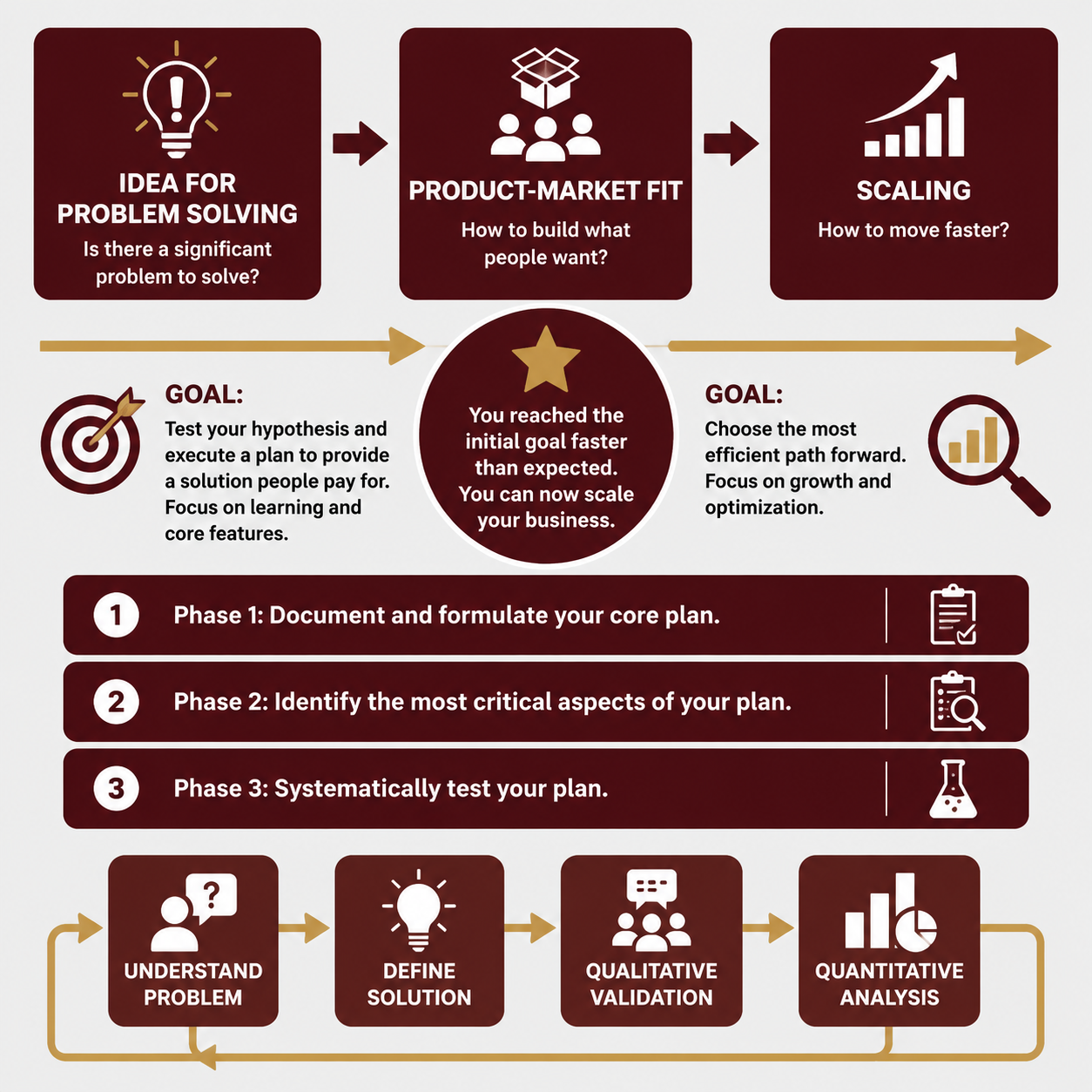
Turning an idea into a successful product takes more than creativity — it requires strategic thinking, user understanding, and expert execution. At Ekas Design, we help businesses transform early concepts into functional, manufacturable, and market-ready products through professional industrial design and product development services. If you are ready to bring your idea to life, our team is here to guide you from concept to final product.
Conclusion
By following the steps outlined in this article, you can turn your invention into a product. Keep in mind that there is still a lot of work to do before you start earning real income from your invention idea. From the moment you conceive your idea to the time you introduce your product to the market, it can take quite a long time. You must be careful and patient to make the most of your invention. Be assured that your hard work and patience will eventually pay off.
In summary, if you want to know how to turn an idea into a product, you need time and patience. Business ideas may seem promising, but to realize them you must follow a specific process. You should move step by step, from formulating your idea to shaping a prototype and distributing it in the market. The key points to remember are to protect your idea from theft and to improve the product through market research.
Frequently Asked Questions (FAQs)
- Can every idea be turned into a product?
Ideas are refined after evaluation and analysis. This means that certain parts of an idea may be removed or modified, and if the assessments show that the product has a low chance of success, the idea may be completely discarded. In other words, every idea must undergo feasibility analysis. Otherwise, spending time and money on every idea would not be a wise decision.
- How long does it take to turn my idea into a product?
Product development often takes between three months and one year to complete. The time required to create a successful product can depend on several factors:
– Ease of production: If your product idea is relatively complex or requires many materials, this can extend the product development timeline.
– Financing: If you need to secure funding to create the product, this may add extra time to the production process.
– Testing stage: If your product idea experiences major issues during the prototype testing phase, this can also extend your product development timeline.
- How can I find investors for my product idea?
If you are looking for investors to help you raise enough money to launch your product idea, there are opportunities such as business schools, industry professionals, local business groups, and crowdfunding.
- What are the elements of a good product idea?
Sometimes, it can be difficult to determine whether your idea is worth pursuing as a new product or invention. A good product idea has the following characteristics:
– It solves a problem.
– The product is easy to use.
– Production and distribution costs are reasonable.
– The marketing of the product is clear and feasible.
– It is easy to explain how the product is used.
– The product is scalable.